Water Extraction and Removal in Torrance, CA
Standing water is traced from the release into seams, edges, and adjoining spaces, then recovered before equipment addresses moisture retained inside materials.
(888) 563-9619Arrange extraction for wet rooms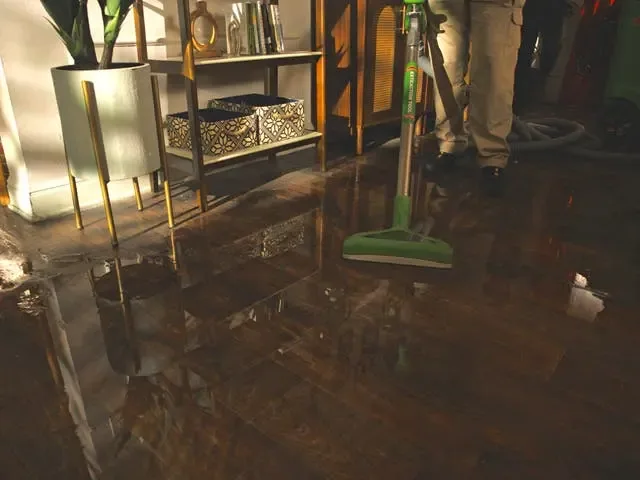
Water Extraction and Removal at a glance
First steps for water extraction and removal in Torrance
Keep clear of hazards
Avoid water near electrical equipment, unstable ceilings, sewage, or any shutoff that cannot be reached over a dry route.
Record the first condition
Photograph the source area, water depth clues, room boundaries, contents, and transitions before recovery changes the visible pattern.
Protect unaffected space
Move dry portable items when safe and keep foot traffic from carrying water or debris beyond the work boundary.
Describe connected rooms
Report cabinets, closets, walls, and lower spaces that adjoin the visible pool so inspection follows the likely path.
Torrance contains residential, commercial, and industrial districts, so standing water can interrupt a kitchen, a shop floor, or an operating workspace. The equipment choice begins with conditions at the property, not the type of district around it. Near Old Torrance, an inspection marks the visible pool and then looks past it for damp edges that do not reflect light.
Pump and extract water from wet surfaces
Deeper collection may call for pumping, while hard surfaces, carpet, pad, and accessible subfloor require different extraction heads and pressure. Removing liquid early lowers the volume that must evaporate inside. Technicians work across the wet area in deliberate passes and check whether additional water transfers back to the tool.
A North Torrance loss may cross from one floor finish into another. Water can move through a doorway, beneath fixed cabinets, or along a wall base even when the center of the next room looks dry. Moisture measurements are taken on both sides of transitions so the extraction boundary reflects the assembly rather than a visible stain.
What does water extraction and removal cost in Torrance, CA?
Contained residential extraction commonly costs $900 to $4,500. Water condition, affected layers, total spread, difficult access, and necessary material removal can change the final amount.
Contained single room loss
$900 to $1,800- Accessible surface water
- One focused work zone
- Short equipment layout
Multi room drying
$1,800 to $4,500- Connected wet finishes
- Several extraction points
- Ongoing moisture checks
Complex removal and drying
$4,500 to $9,000- Contamination controls
- Hidden water access
- Extended drying management
Ranges are typical, not a quote: category of water, square footage, material class and how fast drying started move the number most. Run the water damage cost calculator for a closer range.
The water extraction and removal process in Torrance, step by step
- 1
Mark standing water and wet edges
Readings start within the pool and extend across each finish to locate damp material beyond visible water.
- 2
Choose tools for each surface
Pumping and extraction pressure suit the depth, flooring layers, and fixed contents.
- 3
Prepare the remaining materials
Airflow reaches wet layers after accessible water has been removed.
- 4
Record what still needs drying
Final extraction checks identify retained moisture and comparison points for the drying phase.
Check the source before choosing cleanup methods
Water from a supply pipe, appliance discharge, rain opening, or sewage backup cannot receive one universal procedure. The source and contact history establish cleaning controls before equipment is moved through the space. Contents are photographed, dry objects are protected, and affected items are evaluated individually.
- Confirm that the release is controlled or safely isolated
- Mark wet flooring, wall bases, cabinets, and lower rooms
- Recover liquid with tools suited to each exposed finish
- Test concealed edges before declaring the extraction boundary
- Preserve readings and photographs for the drying record
In Walteria, as anywhere in the city, sound looking wallboard may border a wet sill or insulation pocket. An opening is considered only when readings, contamination, lost strength, or blocked access justifies it. This keeps the response tied to evidence and avoids unnecessary disturbance.
Dry the materials that remain damp
Extraction is complete when accessible liquid no longer transfers effectively, but damp building materials may still need controlled airflow and dehumidification. The structural drying service covers that measured phase. The Torrance service overview lists cleanup paths for other water sources.
Water extraction and removal across Torrance and nearby towns
Extraction service includes Southwood, North Torrance, Walteria, and nearby listed ZIP areas. Each individual property scope follows the source and measured water spread. Additional options appear on the local restoration hub.
The same service nearby: water extraction and removal in Lawndale, Redondo Beach, Hermosa Beach.
Related water damage services in Torrance
Water Extraction and Removal questions in Torrance, CA
Still dealing with water extraction and removal?
Share where water began and every surface it crossed before discovery.
Why not begin with air movers?
Air movement can increase evaporation, but accessible liquid should be physically recovered first. Extraction reduces the indoor moisture load and makes later drying more manageable.
How is the full wet area located?
Testing proceeds outward from visible water across each finish. Readings are compared with appropriate unaffected points to distinguish normal material response from the affected boundary.
Can water remain beneath cabinets?
Yes. Toe spaces, seams, fastener penetrations, and wall edges can conceal movement. Meter results and accessible inspection points determine whether added access is justified.
Does carpet always need removal?
No single answer fits every loss. Water condition, backing, pad exposure, installation method, cleaning potential, and extraction performance all influence the decision.
When does dehumidification become important?
After available liquid has been reduced, moisture leaving wet materials enters the indoor air. Dehumidification collects that vapor while controlled airflow supports evaporation.
How much water remains after extraction?
The tool stops recovering meaningful liquid, the visible pool is gone, affected edges are mapped, and a documented set of material readings establishes the next task.
Why are floor transitions tested separately?
Tile, carpet, wood, adhesive, and subfloor can hold different amounts of water. Readings on both sides show whether the liquid crossed into another assembly.
Standing water needs removal before drying
The response can arrive prepared for floor finishes, contents, hidden edges, and the likely remaining drying load.
Lawndale Water Damage Restoration · Lawndale, CA