Storm and Flood Cleanup in Lawndale, CA
24/7 storm and flood cleanup for storm water inside. The restoration team controls the source, extracts water, dries to the IICRC S500 standard and records daily readings.
(888) 563-9619Get storm water out of the rooms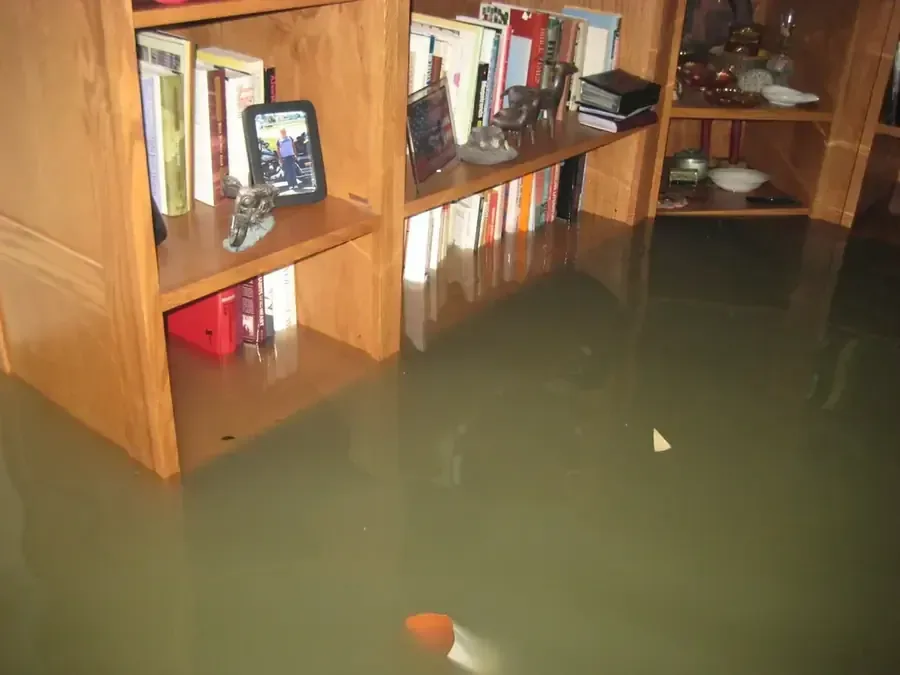
Storm and Flood Cleanup at a glance
First steps for storm and flood cleanup in Lawndale
Stop the source
Shut off the fixture, appliance or building supply when it is safe. For 24/7 help, keep people clear of storm water inside and call.
Protect electrical safety
Avoid wet outlets, fixtures and panels. The response team checks energized areas before extraction starts.
Document the spread
Photograph visible water and damaged contents before moving them when conditions are safe.
Limit foot traffic
Walking through wet rooms can carry moisture or contamination into dry areas, especially across shared flooring.
Storm and Flood Cleanup starts with source control, safety screening and a moisture map. The response team treats storm water inside as urgent at any hour because water can cross flooring, wall bases and cabinet voids before the surface looks saturated.
How storm and flood cleanup is assessed in Lawndale
The first walkthrough follows the water rather than the stain. The technician checks doorways near Rosecrans Avenue, Marine Avenue and Hawthorne Boulevard. Those names describe the local service area, while the scope still comes from meter readings inside the affected property. The assessment records the source, water category, Class of loss and every wet assembly before equipment starts.
The restoration contractor checks electrical exposure, ceiling stability and contaminated water before entering. The moisture map compares wet materials with an unaffected reference area, which gives the dry-out a measurable endpoint instead of relying on touch.
What does storm and flood cleanup cost in Lawndale, CA?
Typical storm and flood cleanup costs $1,400 to $7,800 for a contained residential loss. Category, wet square footage, material class and the time before extraction change the final scope.
Contained single-room loss
$1,400 to $2,800- Clean or limited water
- One main room
- Early extraction
Multi-room drying
$2,800 to $7,800- Several wet assemblies
- Cavity checks
- Daily moisture logs
Complex removal and drying
$7,800 to $15,600- Contamination or hidden spread
- Selective removal
- Longer equipment run
Ranges are typical, not a quote: category of water, square footage, material class and how fast drying started move the number most. Run the Lawndale water damage cost calculator for a closer range.
The storm and flood cleanup process in Lawndale, step by step
- 1
Inspect and map
The technician traces storm water inside, confirms the source and records every wet material.
- 2
Extract and contain
The crew removes liquid water and isolates the work area when category or demolition requires it.
- 3
Dry the structure
Air movers and dehumidifiers run to a target based on dry reference materials.
- 4
Verify and document
Daily readings show progress, and the final moisture map supports equipment removal.
Equipment used for storm and flood cleanup
The crew selects submersible pumps and weighted extraction for the specific loss. Extraction comes first whenever liquid water remains. Air movers then lift moisture from surfaces while LGR dehumidifiers collect it from the air. The equipment layout changes when readings show a hidden pocket or a room reaches its dry goal.
- Thermal imaging screens for temperature patterns that need meter confirmation
- Pin and pinless meters track drywall, wood and subfloor moisture
- Air movers match the evaporation load of each wet room
- LGR dehumidifiers control humidity while materials release moisture
- Daily psychrometric logs record temperature, humidity and progress
Materials affected by storm and flood cleanup
The drying team classifies the water source and the amount of wet material before equipment placement. Category and Class determine containment, removal decisions, air movement and dehumidification capacity.
Drywall may stay when the water is clean and the core remains sound. Saturated insulation, delaminated flooring and contaminated porous finishes require removal when cleaning or drying cannot return them to a safe condition. Hardwood gets board-level readings before any decision about floor mats or selective removal.
Safety and documentation for storm and flood cleanup
The claim file records water category, depth and materials, the moisture map, equipment placement, daily readings and timestamped photographs taken before removal. Coverage depends on the policy and cause, so the property owner should check directly with the insurer. The Ready.gov flood safety information explains electrical and moving-water hazards. The EPA indoor air quality material explains why moisture control matters indoors.
Storm and flood cleanup across Lawndale and Los Angeles County
The Lawndale restoration crew covers ZIP 90260 and 90261, from Hawthorne Boulevard and Rosecrans Avenue to Marine Avenue, Prairie Avenue, Manhattan Beach Boulevard and the El Camino Village edge.
Nearby coverage reaches Hawthorne, Redondo Beach, Torrance, Alondra Park, Gardena, Hermosa Beach and Compton.
Related water damage services in Lawndale
Storm and Flood Cleanup questions in Lawndale, CA
Still dealing with storm and flood cleanup?
Describe where storm water inside started and which rooms are wet.
How quickly should storm and flood cleanup start?
Active storm water inside deserves a 24/7 response. The team first controls the source, checks hazards and extracts liquid water before it spreads into another assembly.
What happens during a storm and flood cleanup visit?
The technician maps moisture, classifies the loss, documents affected materials and sets extraction and drying equipment sized to the room load. The technician sets the category from the source and exposure, then records the decision before drying begins.
How long does storm and flood cleanup take?
A contained Class 1 loss often dries in three to five days. Dense wood, insulation, cabinets and hidden cavities can take longer, so daily readings decide when equipment leaves.
Will drywall come out during storm and flood cleanup?
Drywall stays when the water is clean, the panel remains sound and the cavity can dry. Contamination, delamination or trapped insulation can make a controlled cut necessary.
What does IICRC S500 mean for storm and flood cleanup?
IICRC S500 is the industry drying standard. It connects water category, Class of loss, equipment capacity, documentation and a dry goal based on unaffected reference materials.
Does insurance cover storm and flood cleanup?
Sudden and accidental water is often treated differently from maintenance, groundwater and sewer backup. Coverage depends on the policy, so the owner should check with the insurer.
Storm and Flood Cleanup can start with one focused call
Lawndale water damage pros coordinate 24/7 extraction, structural drying and documentation for storm water inside.
Lawndale Water Damage Restoration · Lawndale, CA