Water Damage Restoration Gardena, CA
A pipe break near Rosecrans Avenue or an appliance leak in Moneta can soak floors and cabinets. Cleanup removes water and dries the adjoining rooms it reached.
(888) 563-9619Request Gardena water cleanupAvailable any hour for water, sewage, storm, and drying needs.
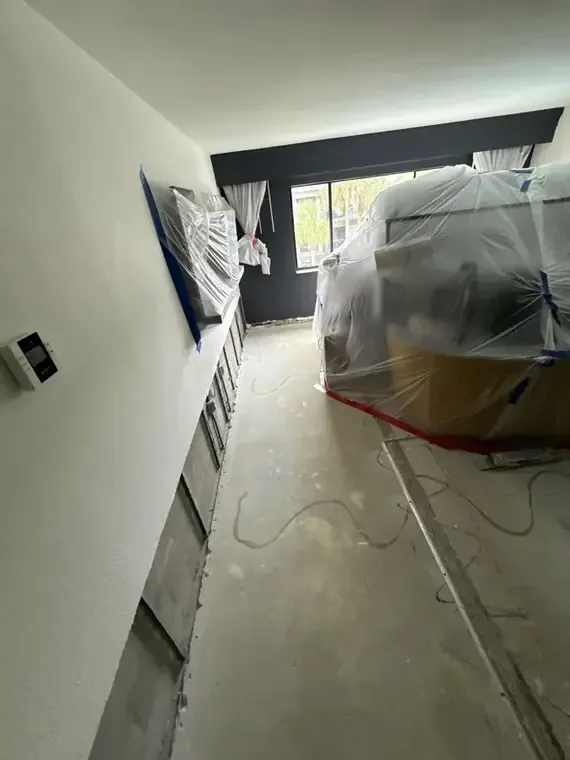
Water Damage Restoration Services in Gardena, CA
Cleanup covers pipe and appliance leaks, rain entry, and sewage, with drying for the floors, walls, and ceilings affected.
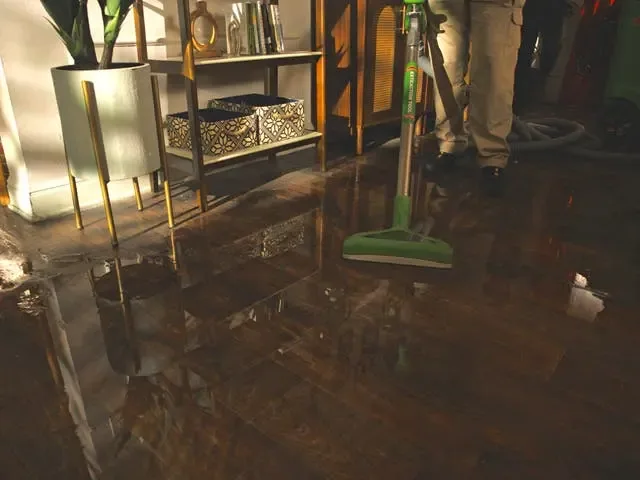
Water Extraction and Removal
Pumps remove standing water near Rosecrans Avenue, while extraction tools reach flooring seams and wet corners before the remaining materials are dried.
See water extraction and removal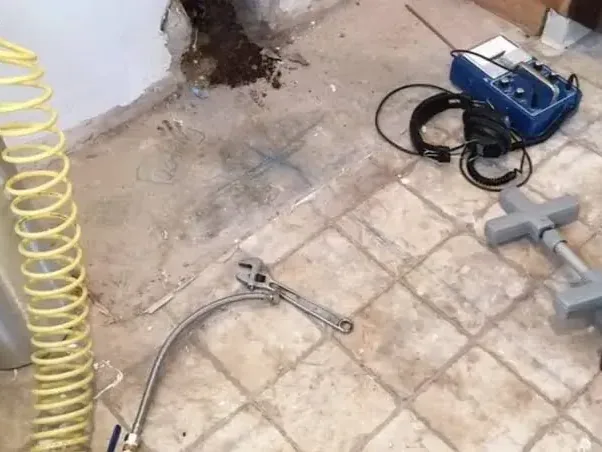
Slab Leak Water Damage
A damp floor in Moneta needs plumbing checks and readings beneath the finish to locate the source and plan access without unnecessary removal.
See slab leak water damage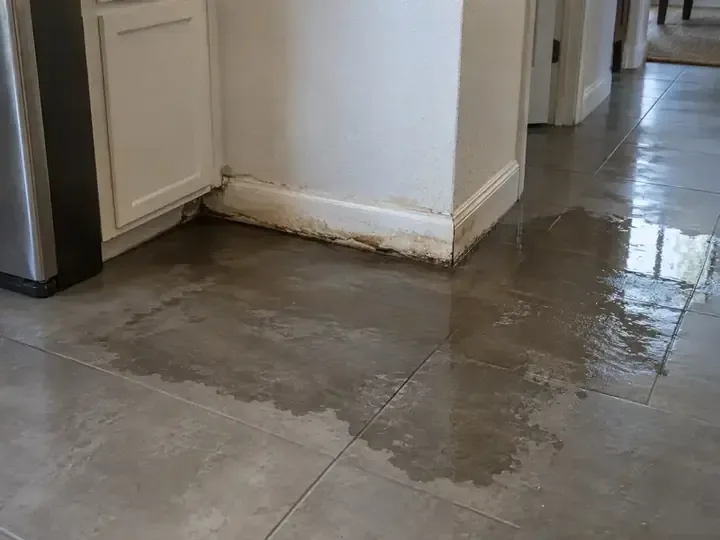
Appliance Leak Water Damage
Washer and dishwasher leaks can soak cabinets, floor joints, and adjoining rooms before water becomes visible in front of the machine.
See appliance leak water damage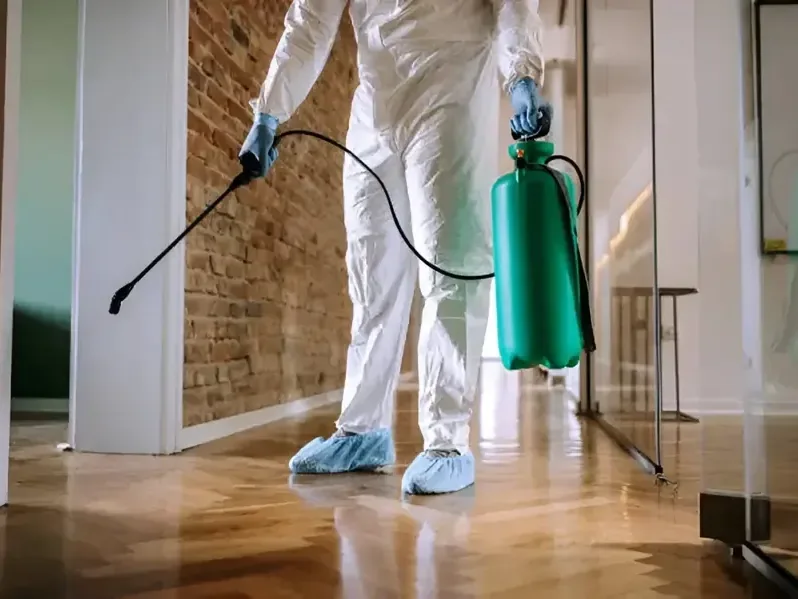
Sewage Backup Cleanup
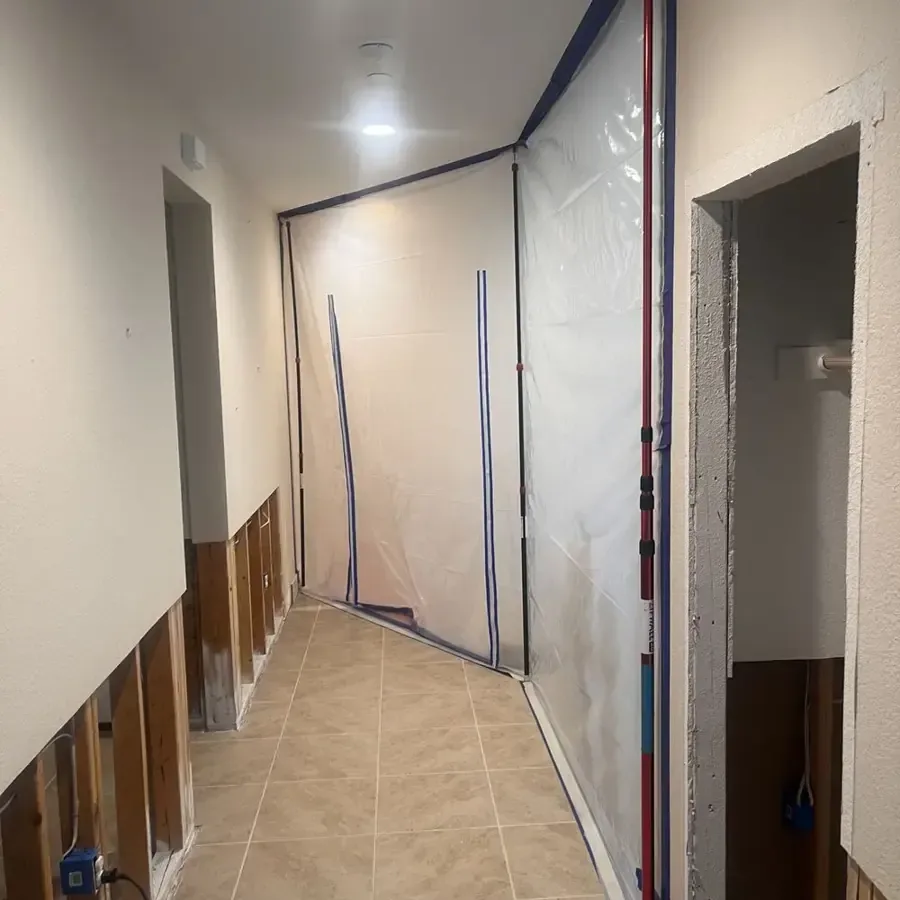
After a drain backup, a restricted work area keeps contaminated water and debris away from clean rooms during removal and surface cleaning.
See sewage backup cleanup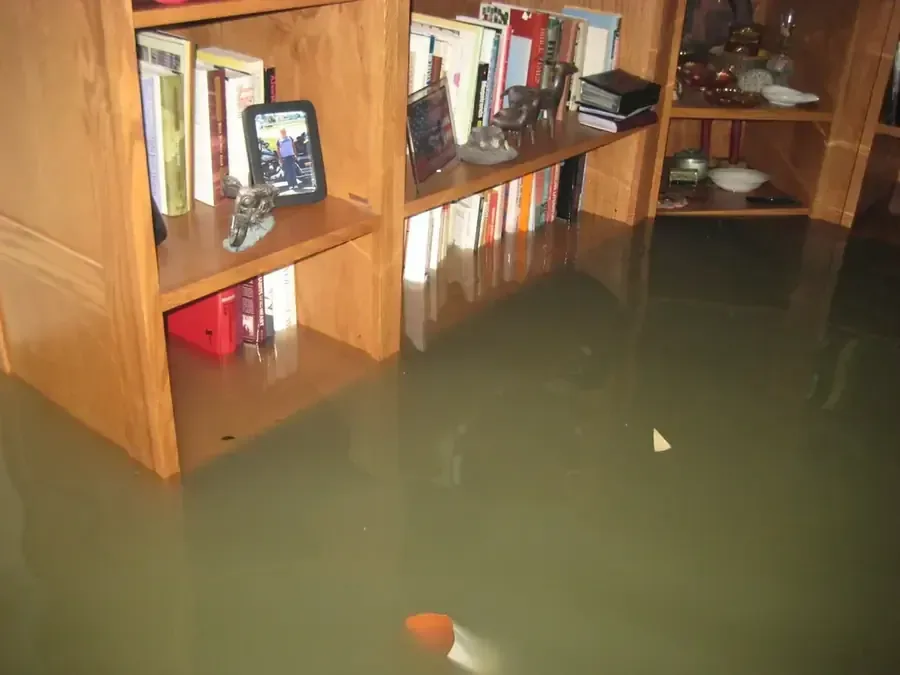
Storm and Flood Cleanup
Rainwater that has crossed the ground needs inspection for dirt and contamination before wet flooring and wall cavities are cleaned and dried.
See storm and flood cleanup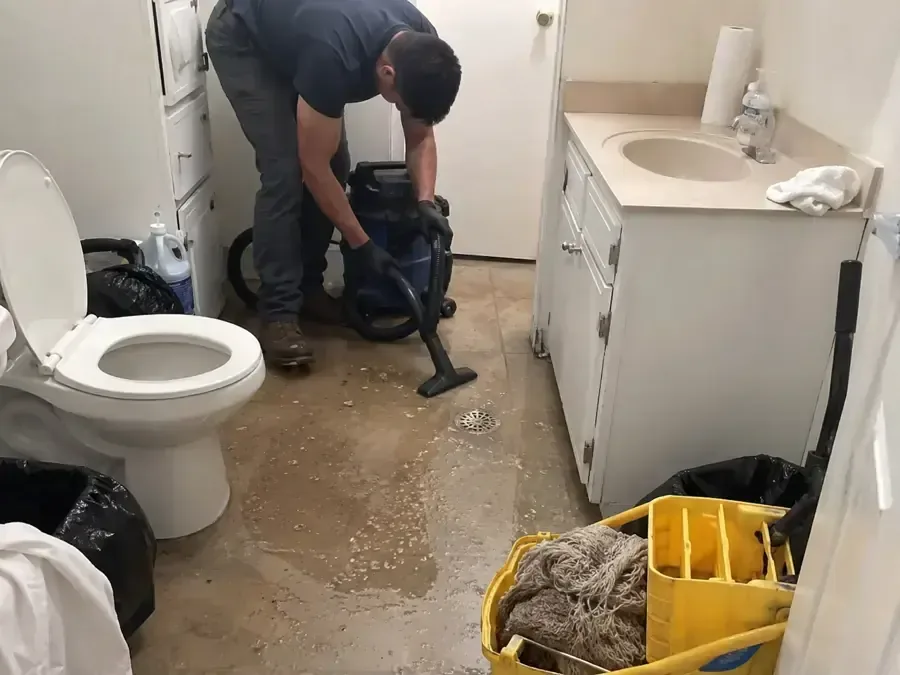
Toilet Overflow Cleanup
Cleanup starts with what overflowed, then follows water around the toilet base, beneath nearby finishes, and across the bathroom threshold.
See toilet overflow cleanup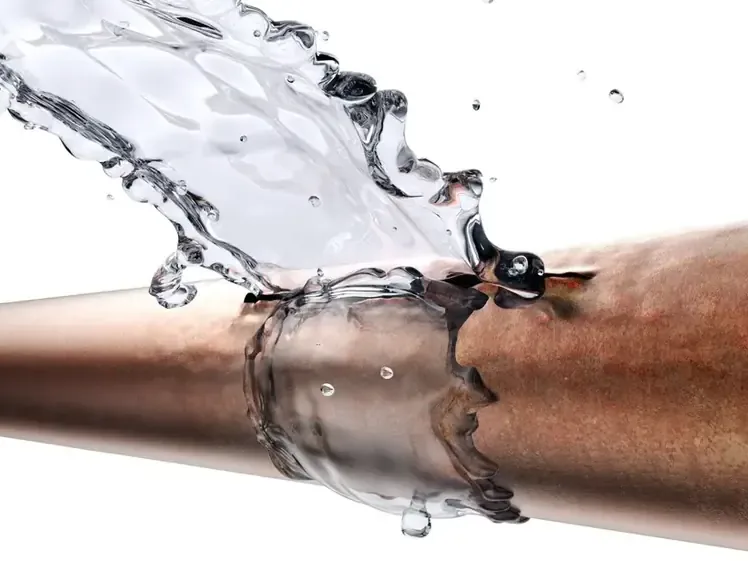
Burst Pipe Water Damage
After the supply is safely shut off, inspection follows a broken pipe release through walls, ceilings, and any rooms below the leak.
See burst pipe water damage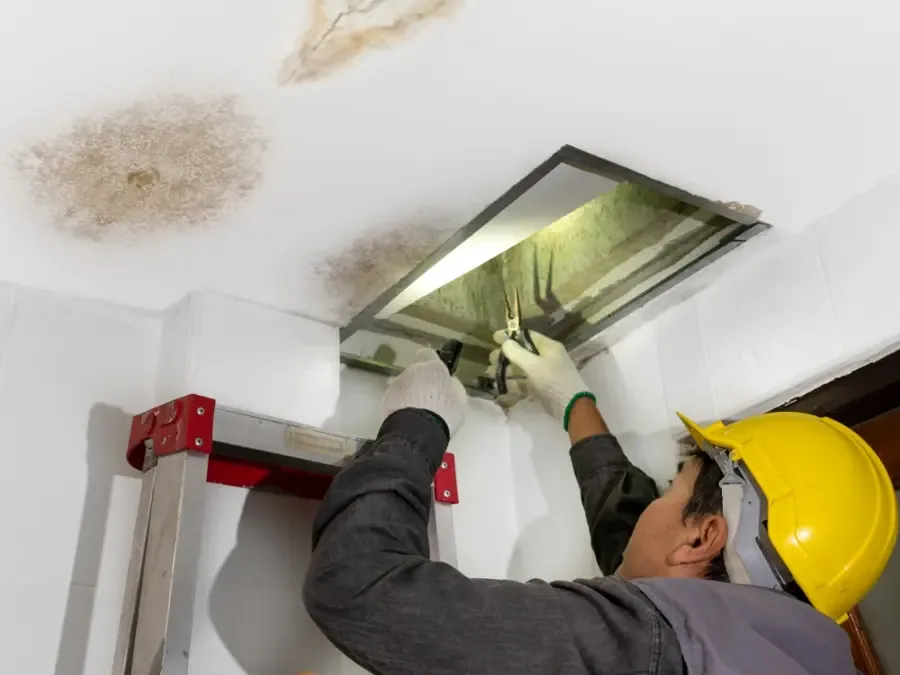
AC Condensate Leak Cleanup
A condensate pan or drain problem can wet insulation above a ceiling and leave hidden moisture behind walls below the equipment.
See ac condensate leak cleanup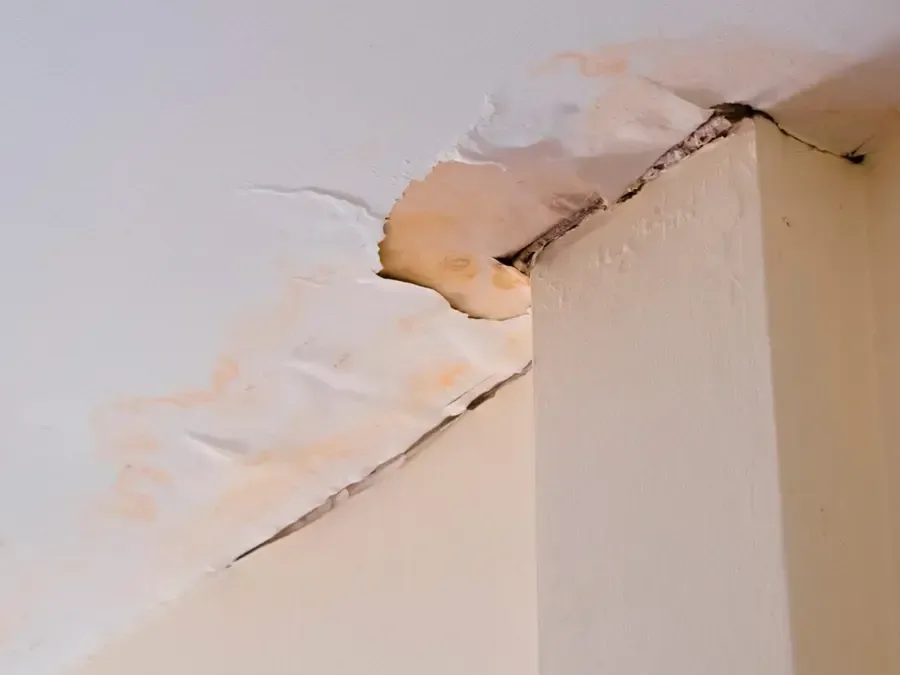
Ceiling Leak Water Damage
Occupants stay clear of a sagging ceiling while the source is located and wet drywall, insulation, and framing are assessed for safe access.
See ceiling leak water damage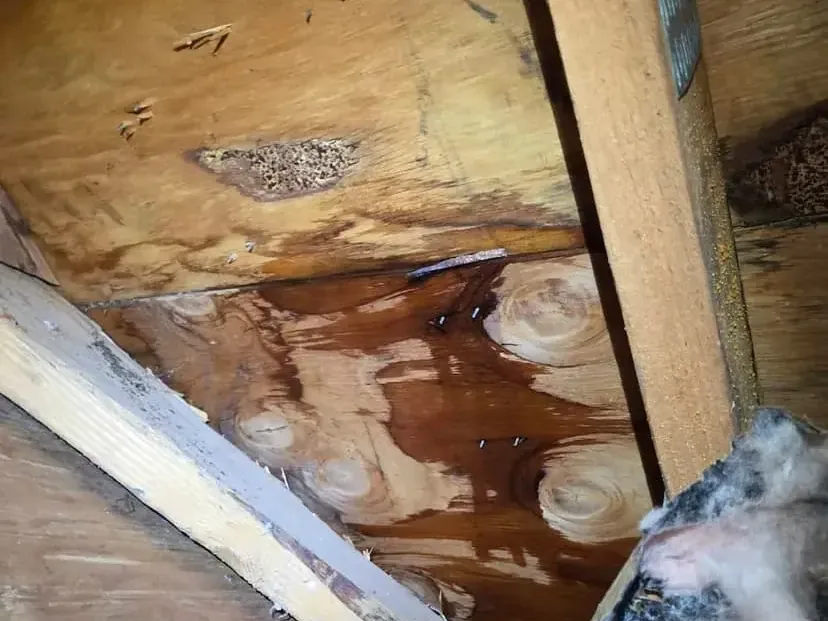
Roof Leak Water Damage
Rain stains are traced back toward the roof so attic insulation, decking, and interior walls receive attention alongside repairs to the opening.
See roof leak water damage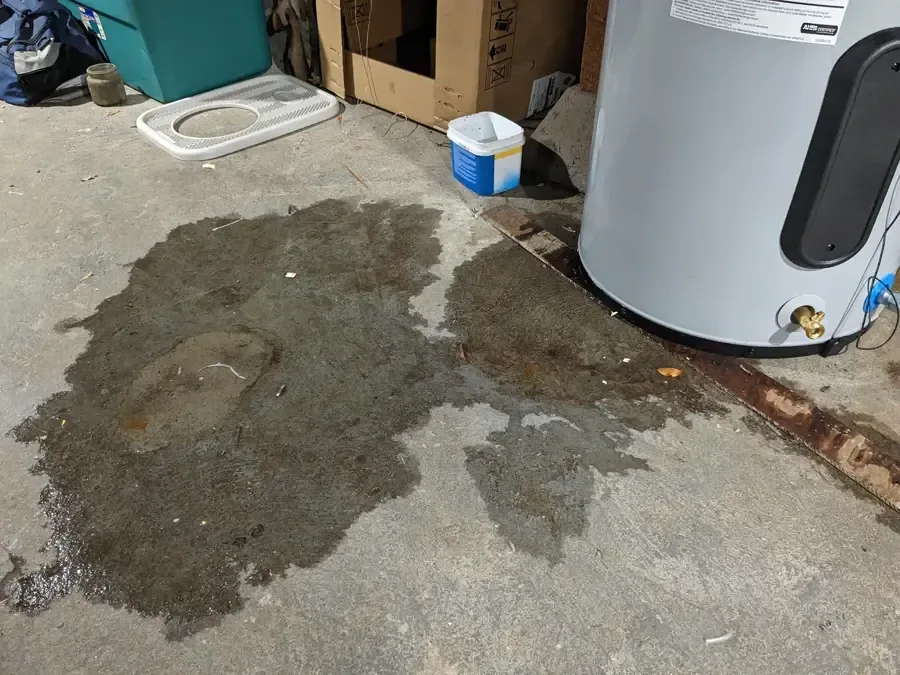
Water Heater Leak Cleanup
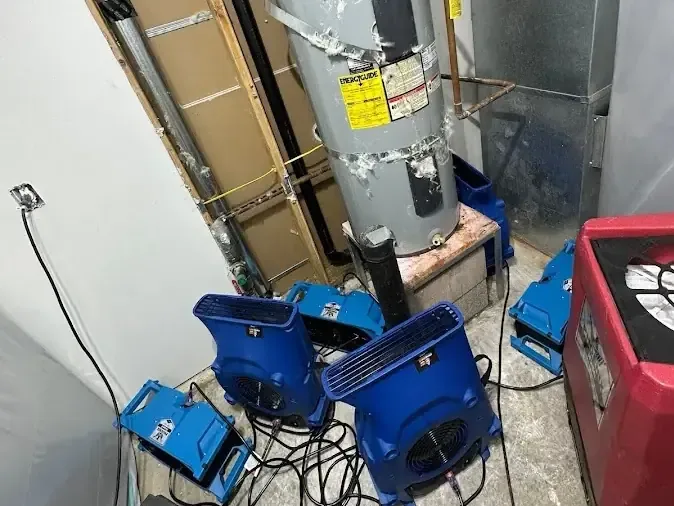
Water around a leaking tank is removed from the utility floor, then the platform, partitions, and adjoining room edges are checked for dampness.
See water heater leak cleanup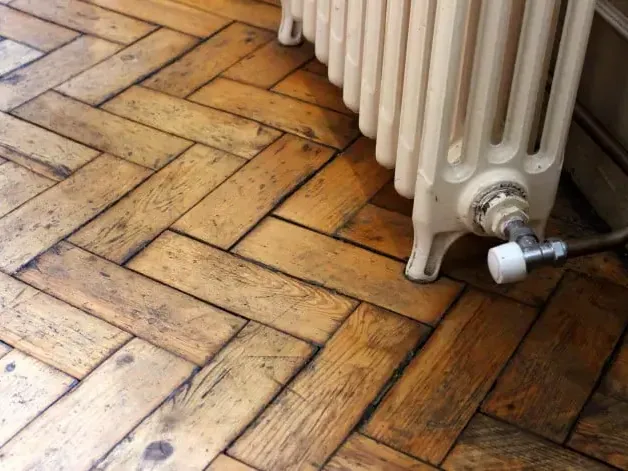
Hardwood Floor Water Damage
Wood boards and the subfloor are tested separately so drying can protect sound flooring and identify sections that need later repair.
See hardwood floor water damage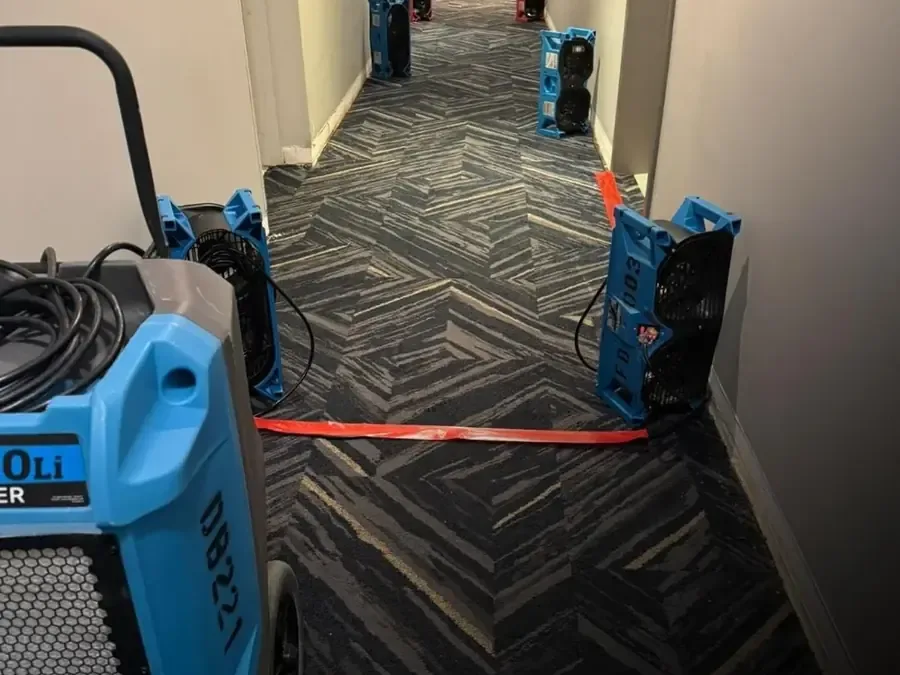
Structural Drying and Dehumidification
Airflow and dehumidification are adjusted as daily readings show which wall, floor, or enclosed space still holds moisture after extraction.
See structural drying and dehumidification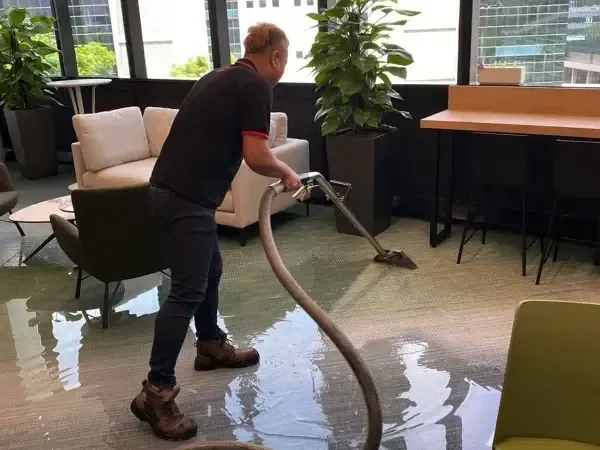
Commercial Water Damage
Shops and other workplaces need clean access routes, protected contents, and a room by room drying schedule that accounts for ongoing operations.
See commercial water damageProtect people and preserve the first water evidence
- 1
Choose safety over shutoff access
Leave the source alone when reaching a valve means crossing water, touching electrical equipment, or standing below unstable material.
- 2
Keep traffic outside the wet zone
Close doors or mark a boundary so shoes, pets, carts, and contents do not carry water into dry rooms.
- 3
Record the source relationship
Photograph the release point, connected rooms, water marks, floor transitions, and contents before extraction changes them.
- 4
Name every affected assembly
Report wet ceilings, walls, cabinets, flooring, insulation, and rooms below so inspection includes concealed routes.
- 5
Leave finishes intact for mapping
Do not open finishes before readings identify where access can help without erasing evidence.
What does water damage cleanup cost in Gardena?
A contained clean water loss commonly costs $1,200 to $5,500. Contamination, several rooms, concealed cavities, and controlled material removal can increase the project total.
Contained room response
$1,200 to $2,800- Accessible source and water
- Limited material boundary
- Focused extraction and drying
Connected room restoration
$2,800 to $7,500- Several mapped assemblies
- Additional cavity access
- Longer monitoring record
Complex controlled cleanup
$7,500 to $18,000- Contamination controls
- Selective material removal
- Detailed zone documentation
The water damage cost calculator provides a planning range before direct inspection establishes the affected materials and work conditions.
Remove the water, then dry the rooms it reached
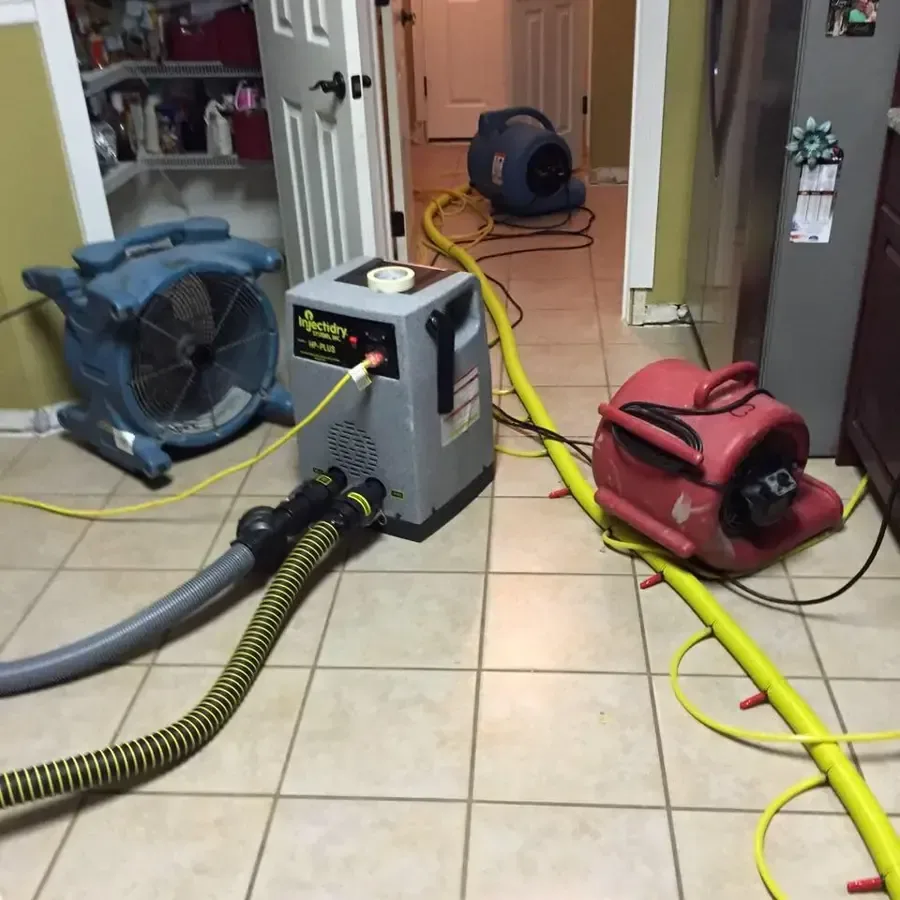
Extraction takes out standing water first. Air movers and dehumidifiers then dry damp materials, with repeat checks at floor seams and wall bases.
Control and classify
Identify the release, hazards, apparent water condition, and rooms needing controlled access.
Extract available water
Use pumps or extraction tools around seams, edges, cabinets, and transitions before evaporation equipment.
Dry reachable assemblies
Direct air across exposed materials while dehumidification collects vapor inside the work boundary.
Verify every retained layer
Compare readings by material and location, keeping the slowest point in the completion record.
Contact and source affect cleaning choices
Category 1
A clean supply release can deteriorate after material contact or prolonged exposure in an assembly.
Explore extractionCategory 2
Appliance discharge and some fixture overflows can require added cleaning before retained building materials are dried.
Review appliance responseCategory 3
Sewage and outside floodwater call for controlled access, protective measures, and careful porous material decisions.
See sewage processA closer look at extraction and material drying
Water can spread beyond the first wet room
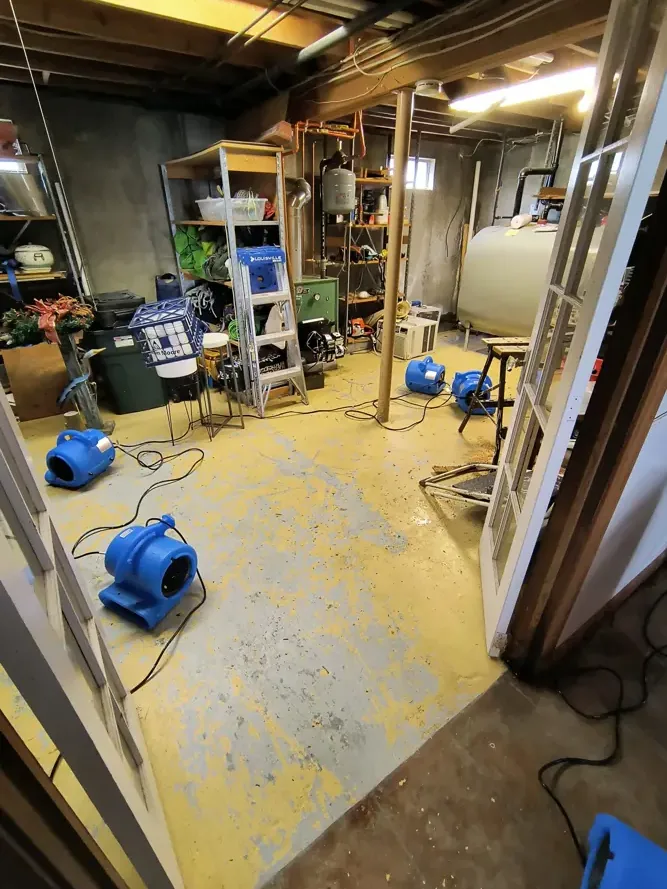
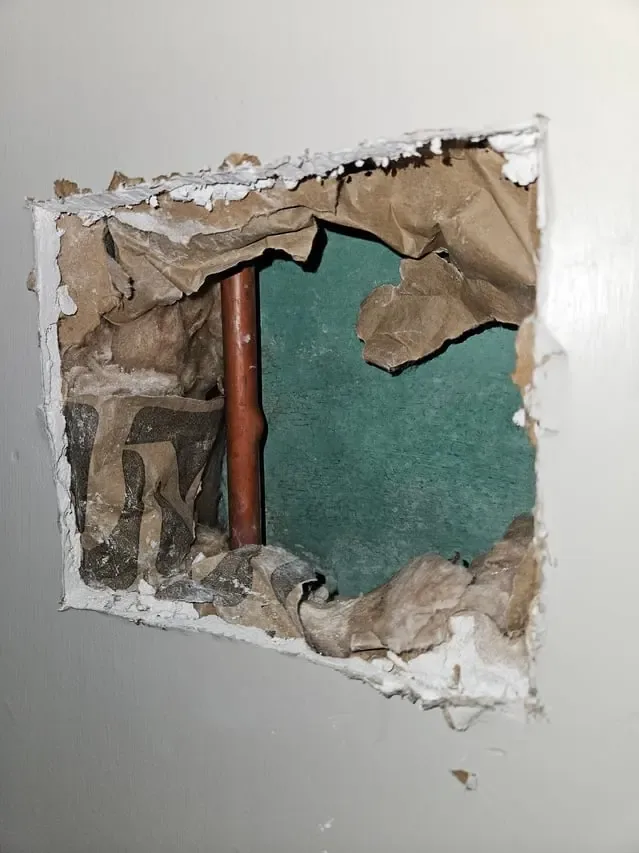
A Moneta kitchen leak can reach cabinet bases or a shared partition before the floor looks soaked. Inspection follows those connections and checks which finishes can be cleaned and dried.
Source and category first
Supply water, appliance discharge, sewage, and rain raise different cleaning questions before equipment placement.
Boundaries by material
Tile, wood, drywall, cabinets, insulation, and subfloor are tested separately because one surface can hide wet material.
Access kept proportional
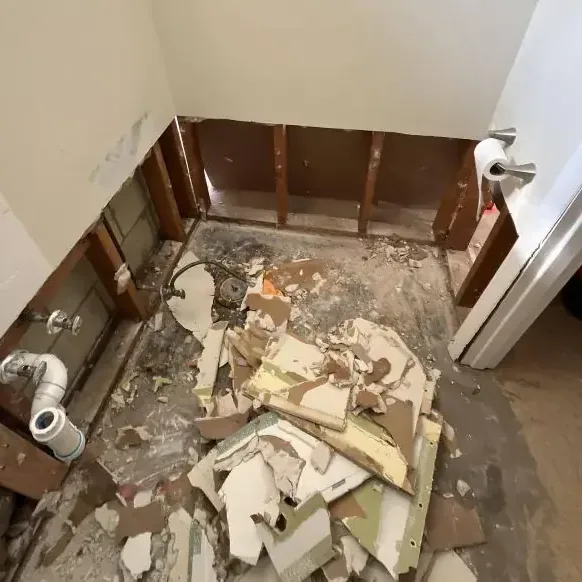
Openings stay limited to conditions, contamination, lost strength, or blocked drying that supports documented access.
Completion tied to comparison
The slowest point is compared with unaffected material and preserved in the final moisture record.
A clear record for the insurance claim
Room photos, moisture readings, and completed work notes help the owner explain the damage and cleanup to the insurer.
- Source condition and control time
- Rooms and materials reached
- Photographs before controlled access
- Extraction and equipment changes
- Final readings by assembly
Confirm policy terms directly
Sudden water, maintenance, groundwater, and sewer backup can receive different treatment under a policy.
The owner should ask the insurer about deductibles, exclusions, endorsements, reporting duties, documentation, and authorization before relying on any coverage assumption.
Water and sewage restoration throughout the service area
Neighborhoods and nearby landmarks
ZIP codes
Nearby service areas
Cleanup in Moneta, Strawberry Park, and West Gardena
Service includes Moneta, Strawberry Park, West Gardena, Rosecrans Avenue, and the listed ZIP areas.
Water extraction removes liquid before drying the affected walls and floors.
(888) 563-9619Report the source and wet roomsGardena, CA · [email protected]
Rosecrans Avenue has seen a major water main break
Street flooding and indoor plumbing leaks need different source repairs, but either can leave a building wet. Gardena also maintains sanitary sewers and storm drains, while the Willows preserve contains naturally wet ground.
November 9, 2017
A water main break flooded part of Rosecrans Avenue, and police described relatively heavy street flooding during the documented local event that occurred on November 9, 2017.
Rosecrans Avenue
The documented main break shows why exterior collection and indoor source classification remain separate findings.
Gardena Willows Wetland Preserve
Water surfaces year-round at this southeast preserve. Indoor cleanup traces the actual entry point and wet materials.
Sanitary sewer maintenance
The city maintains its sanitary sewer system, while a private backup still requires source and exposure evidence.
Storm drain maintenance
After heavy rain, wet thresholds and water marks help locate the opening that needs attention before indoor drying begins.
Owner and renter occupied housing
Occupied homes need a contact to arrange room access, protect belongings, and coordinate drying checks with residents.
Sage Park Apartments
Near these apartments, water reaching a shared wall calls for moisture checks on both sides.
Questions about local water restoration
Active water affecting the building?
Share the source, rooms reached, safety concerns, and whether sewage or outside water is involved.
What information helps before the first visit?
The source, shutoff status, affected rooms, ceiling or electrical concerns, water condition, and safe access route help prepare the initial inspection and equipment plan.
How are hidden wet areas found?
Technicians follow connected materials from the source, use thermal patterns to direct testing, and confirm moisture with readings compared against suitable unaffected points.
Does every wet finish need removal?
No. Stability, contamination, access, material response, and the ability to clean and dry the full assembly determine whether a finish can remain.
Why is extraction separate from structural drying?
Extraction recovers available liquid. Structural drying addresses water retained in framing, flooring, drywall, cabinets, insulation, masonry, and other materials after that recovery phase.
When is containment used?
Containment can separate sewage, debris, selective removal, or an occupied work zone from clean areas and protected circulation routes inside the property.
How are equipment changes decided?
Daily material readings and indoor conditions show which locations improve and which stall, allowing airflow, dehumidification, or access to be adjusted from evidence.
Can contents move before inspection?
Dry contents may move when handling is safe, but affected items should remain available for photographs, condition notes, and decisions about cleaning or separation.
Who decides insurance coverage?
The insurer interprets policy terms. Restoration documentation records observed source conditions, affected materials, completed work, and moisture results without promising coverage.
What establishes completion?
The slowest retained material is compared with an appropriate dry reference, and the final photographs, readings, equipment record, and access decisions are assembled together.
Which local areas receive service?
Coverage includes Moneta, Strawberry Park, West Gardena, central Gardena, Rosecrans Avenue, and the listed ZIP areas, with every scope based on the property.
Water spreading through a Gardena property?
Help covers standing water, wet walls, and sewage backups, starting with the source, affected rooms, and safe access.
Lawndale Water Damage Restoration · Lawndale, CA