Water Extraction and Removal in Gardena, CA
Response for standing water in Gardena launches through release manage, protection screening, collection, and a dehumidification program verified by finish values. Components get mapped. Assemblies get mapped.
(888) 563-9619Arrange water extraction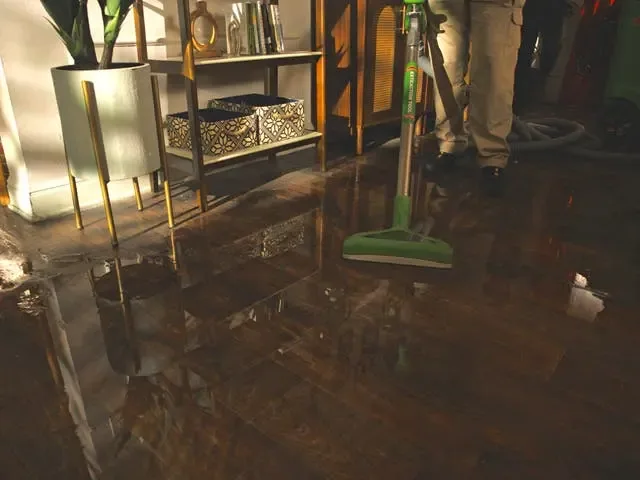
Water Extraction and Removal at a glance
First steps for water extraction and removal in Gardena
Make the source safe
Close an accessible fixture or building supply only when the route is dry and no electrical hazard blocks safe access.
Preserve the wet outline
Photograph the rooms, floor transitions, wall bases, and contents before moving items or beginning liquid recovery.
Create working access
Open doors and clear dry objects from the route while leaving wet materials available for the initial moisture map.
Limit transfer
Keep shoes, carts, and absorbent belongings out of the affected zone so water is not carried into clean rooms.
A water main break flooded part of Rosecrans Avenue in 2017, giving Gardena a documented example of how quickly released water can cover a street. Indoor extraction follows a smaller, property specific map. At a building near Moneta, the source is checked first and every reachable wet edge is marked before equipment changes the scene.
Remove pooled water before drying starts
Pumps handle deeper collection while weighted tools recover water held against carpet, hard flooring, and exposed subfloor. The operator works from the accessible pool toward damp margins, checking beneath movable contents and along wall bases. That order reduces the amount of moisture that air movers and dehumidifiers must later manage.
Strawberry Park properties may contain different finishes within connected rooms. Tile can look clear while water remains at a transition or beneath a cabinet toe space. Technicians compare meter readings across each material instead of treating the whole floor as a single surface. Photographs preserve the original spread and the location of each test point.
What does water extraction and removal cost in Gardena, CA?
Typical water extraction and removal costs $900 to $4,500 for a contained residential loss. Completion price changes with water category, assembly finding, concealed movement, and controlled removal.
Contained single-room loss
$900 to $1,800- Wash or limited water
- One main room
- Early extraction
Multi-room drying
$1,800 to $4,500- Several wet assemblies
- Cavity checks
- Daily moisture logs
Complex removal and drying
$4,500 to $9,000- Contamination or covered migration
- Selective removal
- Longer devices run
Ranges are typical, not a quote: category of water, square footage, material class and how fast drying started move the number most. Run the water damage cost calculator for a closer range.
The water extraction and removal process in Gardena, step by step
- 1
Chart the spread
Follow visible water into seams, corners, adjoining finishes, and concealed edges with readings taken by material.
- 2
Recover available liquid
Choose pumping or surface extraction according to depth, floor construction, and access around fixed cabinets or contents.
- 3
Build the drying zone
Direct air across exposed wet surfaces and collect released vapor without pushing moisture into unaffected spaces.
- 4
Prove the endpoint
Compare the slowest material with a dry reference and record the completed moisture map.
Follow water into seams and adjoining rooms
The City of Gardena maintains storm drains, but a building assessment does not assume that outdoor drainage caused an indoor loss. Supply water, fixture overflow, appliance discharge, and rain entry carry different cleaning questions. Source history and contact with materials establish the working category.
- Separate dry contents from the mapped work area
- Extract seams and perimeter zones with the appropriate tool
- Open only finishes that block access to retained moisture
- Record equipment positions before each monitoring visit
- Compare the final wettest point with sound material
Near West Gardena, a stable wall base may remain when the cavity is reachable and the water condition permits cleaning. Swollen composite trim, wet insulation, or material that has lost strength receives a separate removal decision. Each choice is tied to what the crew observes rather than to a broad assumption about local buildings.
Check what stays damp after extraction
Extraction closes when recoverable liquid no longer transfers to the tool. Drying continues from that point, with airflow aimed across exposed surfaces and dehumidification sized to the remaining load. The structural drying service explains that phase, while the town service hub lists help for specific sources.
Water extraction and removal across Gardena and nearby towns
Extraction coverage extends through Moneta, Strawberry Park, West Gardena, and properties near Rosecrans Avenue. Each visit follows the actual source and wet boundary. Related drying details are available from the local service overview.
The same service nearby: water extraction and removal in Lawndale, Compton, Torrance.
Related water damage services in Gardena
Water Extraction and Removal questions in Gardena, CA
Still dealing with water extraction and removal?
Describe where the water began and which rooms or floor transitions it reached.
Why is extraction completed before air drying?
Liquid recovery removes water that would otherwise have to evaporate inside the building. Reducing that load gives air movement and dehumidification a smaller, more controlled task.
How does a technician find the edge of the loss?
Testing begins inside the visibly wet area and moves outward across each material. A suitable unaffected point provides the comparison used to mark the final boundary.
Can furniture stay in the room?
Dry pieces may move to a protected area when lifting is safe. Wet items usually remain long enough for photographs, condition notes, and decisions about cleaning or separation.
What happens at a flooring transition?
Carpet, tile, wood, adhesive, and subfloor respond differently. The crew tests both sides of the transition and selects an extraction method suited to each assembly.
When does structural drying begin?
Drying starts after available liquid has been reduced and safe airflow paths are established. Monitoring then shows whether surfaces and concealed edges are releasing retained moisture.
What belongs in the final extraction record?
The file identifies the source, mapped rooms, tools used, material readings, access decisions, and the point when liquid recovery ended and measured drying continued.
Standing water in a Gardena room?
Technicians document the source, extract accessible water, check hidden edges, and prepare the remaining materials for controlled drying.
Lawndale Water Damage Restoration · Lawndale, CA