Water Extraction and Removal in Compton, CA
Standing water becomes a material problem quickly. Compton extraction begins with safe source control, a room map, deliberate liquid recovery, and readings that separate wet assemblies from dry ones.
(888) 563-9619Request standing water removal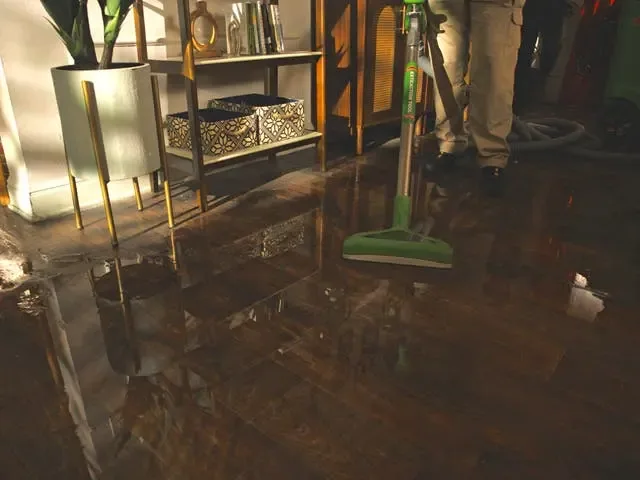
Water Extraction and Removal at a glance
First steps for water extraction and removal in Compton
Make access safe
Avoid pooled water near electrical equipment and do not cross an unsafe area to reach a shutoff.
Preserve the outline
Photograph rooms, floor changes, wall bases, and contents before water removal alters visible evidence.
Clear a dry route
Move unaffected objects only when handling is safe, leaving wet items available for condition notes.
Prevent tracking
Keep footwear, carts, pets, and absorbent goods outside the mapped work boundary.
Reported roadway flooding gives Compton a documented reminder that water can spread beyond the place where it first collects. Inside a Sunny Cove property, the useful starting point is the actual release and the connected surfaces. Technicians photograph the outline, establish safe walking routes, and test the visible boundary before recovery changes the scene.
Pump out liquid before drying begins
A pump may address deeper accumulation, while surface tools pull water from carpet, hard flooring, and reachable subfloor. Work proceeds through the pool toward margins at walls, cabinets, and transitions. This order leaves less water for air movement and dehumidification to process.
Near Downtown Compton, one room can contain several flooring types. Adjoining seams and cabinet bases can retain water even after the tile surface looks dry. Each material gets its own reading, and tests continue into neighboring areas until a suitable comparison is found.
What does water extraction and removal cost in Compton, CA?
A contained residential extraction commonly costs $900 to $4,500. Water category, rooms reached, concealed migration, difficult access, and material removal can change the final scope.
Small accessible loss
$900 to $1,800- Known clean source
- One primary room
- Prompt liquid recovery
Several wet spaces
$1,800 to $4,500- Connected assemblies
- Hidden edge checks
- Repeated moisture readings
Complex water removal
$4,500 to $9,000- Contamination controls
- Selective openings
- Longer drying plan
Ranges are typical, not a quote: category of water, square footage, material class and how fast drying started move the number most. Run the water damage cost calculator for a closer range.
The water extraction and removal process in Compton, step by step
- 1
Mark the boundary
Test outward from visible water across each connected material and record the wet perimeter.
- 2
Recover the liquid
Match pumps and surface tools to water depth, finish type, fixed contents, and safe access.
- 3
Prepare exposed materials
Create airflow paths only where cleaning, stability, and cavity conditions support drying.
- 4
Transfer to dryout
Document the final extraction pass and begin tracking retained moisture by assembly.
Identify the water source before cleanup
Compton Creek receives local storm drain water. When outdoor water enters a building, technicians check for sediment and contamination along its path before bringing extraction equipment through clean rooms. A supply release, appliance discharge, sewage overflow, and rain entry require different cleaning decisions. The scope follows direct contact evidence.
- Photograph water marks before recovery
- Protect dry contents from the work route
- Extract perimeter zones with suitable tools
- Check wall bases and floor transitions
- Record the final liquid recovery pass
At Richland Farms or Leland, finishes and assemblies remain property specific. Stable material may stay when it can be cleaned and dried. Swollen composite material, contaminated porous material, or inaccessible wet insulation receives a separate decision supported by observations.
Start drying after water removal
Extraction ends when available water no longer transfers effectively to the recovery tool. Moisture may still remain below the surface. The structural drying service covers that measured phase, and the Local service hub lists responses for distinct sources.
Recheck the floor edges after extraction
Once open water stops transferring, technicians repeat tests at wall bases, cabinet edges, and thresholds. This second look identifies places where liquid recovery is complete but retained moisture still requires controlled drying and monitoring.
Water extraction and removal across Compton and nearby towns
Extraction service reaches Sunny Cove, Leland, Downtown Compton, and Richland Farms. The source and measured wet boundary determine the work at each building. More options appear on the town overview. Work remains tied to the actual source, water condition, and material boundary.
The same service nearby: water extraction and removal in Lawndale, Gardena, Torrance.
Related water damage services in Compton
Water Extraction and Removal questions in Compton, CA
Still dealing with water extraction and removal?
Describe where standing water began and every room or transition it reached.
Why recover water before setting air movers?
Liquid removal prevents a large volume from evaporating indoors. Drying equipment can then address the smaller amount held in framing, flooring, drywall, and cabinets. Early recovery also limits the time water remains against vulnerable finishes.
How is the edge of standing water found?
Testing moves from visibly wet areas into adjoining materials. Readings at seams, wall bases, and transitions identify spread that surface appearance can miss. Test points continue until comparable material outside the loss is reached.
Can furniture remain nearby?
Dry pieces can move to a protected location when lifting is safe. Affected items remain available for photographs and cleaning decisions before relocation. Wet pieces are grouped separately so they do not transfer moisture back.
What happens at a doorway transition?
Each finish is checked separately because tile, carpet, wood, adhesive, and subfloor hold and release water differently. The subfloor side is checked when access and the assembly allow it.
When is extraction considered complete?
The recovery phase closes when accessible liquid no longer transfers effectively. Material readings then direct the continuing structural drying work. Equipment placement then follows the mapped retained moisture rather than puddles.
What records describe the work?
Source notes, initial photographs, mapped rooms, extraction methods, material readings, access choices, and the transition into drying create the project record. Time, location, and material labels make the record useful for follow-up.
Water spreading from one room to another?
Technicians document the source, collect accessible water, check concealed edges, and establish the remaining drying load from direct measurements.
Lawndale Water Damage Restoration · Lawndale, CA