Sewage Backup Cleanup in Gardena, CA
A sewage backup in Gardena can contaminate flooring, cabinets, and nearby rooms. Crews isolate the affected space, remove waste and damaged porous material, clean reachable surfaces, and dry the structure after cleanup.
(888) 563-9619Request Gardena sewage cleanup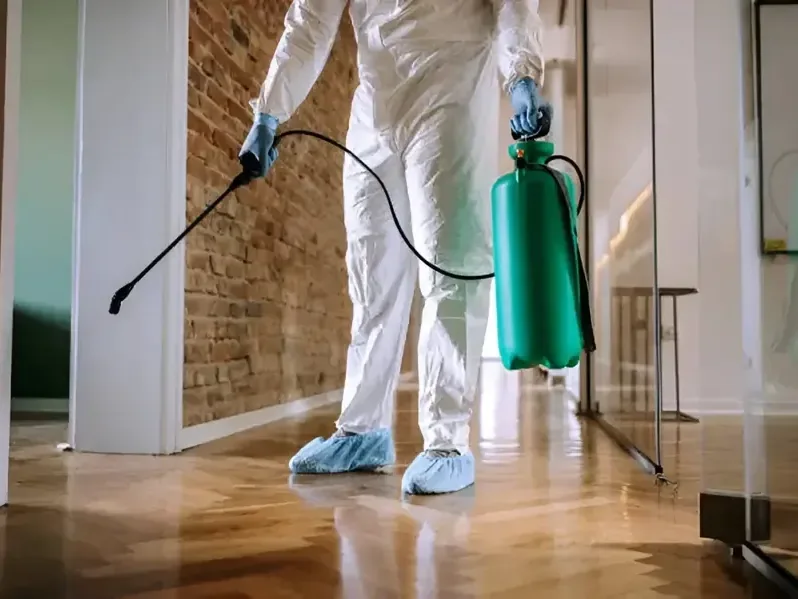
Sewage Backup Cleanup at a glance
First steps for sewage backup cleanup in Gardena
Keep everyone outside the area
Close the room or establish a clear boundary so footwear, pets, and movable items do not spread contaminated water.
Avoid using connected fixtures
Pause toilets and drains that may feed the backup until a plumbing professional identifies and controls the release.
Do not start household fans
Unplanned air movement can carry droplets or residue beyond the affected room before containment and cleaning are established.
Report the emergence point
Describe the toilet, drain, or fixture involved and name every surface or adjoining space visibly reached by sewage.
The city maintains its sanitary sewer system and requires Engineering Division permits for specified public sewer, main sewer, house lateral, and sewage pumping plant work. Those municipal duties do not identify responsibility for a private backup. At a property near Rosecrans Avenue, the cleanup begins by isolating contaminated rooms and documenting the actual point of emergence.
Contain sewage before removing wet materials
Occupants and pets remain outside the affected zone. Technicians identify whether water rose from a toilet, floor drain, or another opening, then protect travel paths before extraction. Splash marks, tracked water, low contents, and connected porous finishes are photographed so the contaminated boundary is clear.
Near the Strawberry Park, a backup can still be limited to one building even when the city maintains nearby infrastructure. The assessment avoids assigning cause without evidence. A plumbing evaluation addresses the blockage or release, while restoration records the rooms, materials, and contents that require cleanup.
What does sewage backup cleanup cost in Gardena, CA?
Typical sewage backup cleanup costs $1,800 to $8,500 for a contained residential loss. Closing price shifts via water category, finish finding, concealed movement, and controlled removal.
Contained single-room loss
$1,800 to $3,600- Clean or limited water
- One main room
- Early extraction
Multi-room drying
$3,600 to $8,500- Several wet assemblies
- Cavity checks
- Daily moisture logs
Complex removal and drying
$8,500 to $17,000- Contamination or hidden reach
- Selective removal
- Longer system run
Ranges are typical, not a quote: category of water, square footage, material class and how fast drying started move the number most. Run the water damage cost calculator for a closer range.
The sewage backup cleanup process in Gardena, step by step
- 1
Set controlled access
Create a protected route for workers and materials while keeping unaffected rooms outside the cleanup zone.
- 2
Extract water and solids
Extract contaminated water through the protected route without crossing clean flooring.
- 3
Remove what cannot be cleaned
Evaluate porous finishes by exposure and accessibility, then document each selective removal before exposing structural material.
- 4
Clean, dry, and verify
Clean retained surfaces first, dry the reachable assembly, and record final material readings after the controlled zone is cleared.
Separate cleanable surfaces from damaged porous items
Hard, nonporous finishes may be cleaned after solids and water are removed. Carpet pad, wet insulation, and other absorbent material often cannot be fully cleaned throughout their depth. Controlled removal creates access to framing and subfloor, which are then cleaned and checked before drying equipment is arranged.
- Establish a clean entry and a contained work route
- Remove recoverable water without crossing dry rooms
- Bag affected porous material within the controlled zone
- Clean exposed structural surfaces before air movement
- Document readings only after cleaning is complete
At a Moneta property, sewage reaching a wall cavity requires inspection of the materials inside. Cleaning reaches the full contact area, and moisture readings track drying after contaminated material has been addressed. The crew examines fasteners, seams, wall edges, and penetrations where contaminated water may have entered an assembly.
Check the cleaned area before drying ends
Once cleaning and selective removal are finished, dehumidification and carefully directed airflow address retained moisture without spreading residue. The sewage service details explain the broader process, while the Gardena structural drying page describes verification after containment work. The closing photographs also show the cleaned access points and retained surfaces after equipment leaves.
Sewage backup cleanup across Gardena and nearby towns
Sewage cleanup coverage includes Rosecrans Avenue, Moneta, Strawberry Park, and properties near the Strawberry Park. The observed backup sets the containment plan. Additional water services appear on the town hub. Each controlled zone is documented.
The same service nearby: sewage backup cleanup in Lawndale, Compton, Torrance.
Related water damage services in Gardena
Sewage Backup Cleanup questions in Gardena, CA
Still dealing with sewage backup cleanup?
State where sewage appeared, which rooms it reached, and whether connected fixtures are still in use.
Why should household fans stay off after a backup?
Air movement begun before containment can move droplets or residue into unaffected areas. Drying equipment is placed only after extraction, removal, and cleaning establish a controlled zone.
Can carpet remain after sewage exposure?
Absorbent flooring and pad often cannot be cleaned through their full depth. The decision considers direct contact, duration when known, material condition, and access to the subfloor.
Who determines why the drain backed up?
A plumbing professional evaluates the blockage or failed component. The restoration team documents where sewage emerged, which materials were exposed, and what cleanup the building requires.
Are hard floors automatically safe after extraction?
No. Recovering water leaves residue and does not address seams or penetrations. Retained hard surfaces require cleaning, inspection, and drying before the zone can be closed.
What happens to affected drywall?
Water contact is mapped above the visible mark. Contaminated porous sections may need controlled removal so framing and cavities can be cleaned, dried, and directly verified.
How is completion documented?
The record includes the emergence point, containment route, removed materials, cleaned surfaces, moisture readings, equipment changes, and photographs showing the condition after controlled cleanup.
A backed-up drain needs controlled cleanup
The response restricts traffic, removes water and affected porous material, cleans reachable structure, and verifies dryness inside the contained zone.
Lawndale Water Damage Restoration · Lawndale, CA