Sewage Backup Cleanup in Compton, CA
Sewage requires separation, protection, deliberate removal, and cleaning before structural drying. Local response keeps the contaminated route distinct from unaffected rooms and contents.
(888) 563-9619Request controlled sewage cleanup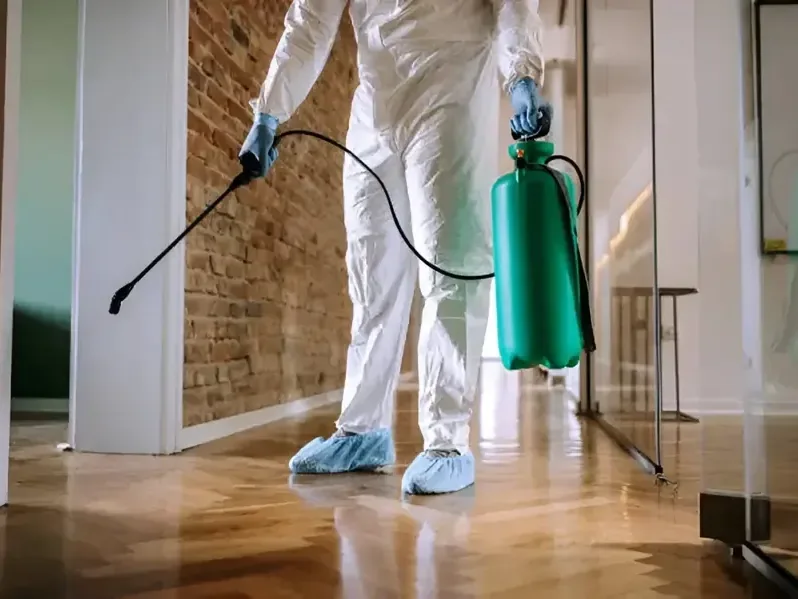
Sewage Backup Cleanup at a glance
First steps for sewage backup cleanup in Compton
Keep everyone outside
Close access to the affected room and prevent tracking into dry spaces. Post a clear boundary so occupants recognize the restricted space.
Avoid direct handling
Do not pick up saturated porous items without appropriate protection and a controlled route.
Note the entry point
Identify the fixture or drain involved without attempting unsafe clearing or disassembly.
List connected areas
Report adjoining rooms, lower spaces, wall bases, cabinets, and contents that received contact.
The city has a documented October 8, 2013 sewer event in which a blocked main overflow sent about 150 gallons toward Compton Creek through a storm drain. For an indoor backup, the immediate tasks are to stop use of affected fixtures, restrict access, and identify the drain or pipe releasing sewage.
Keep sewage away from clean rooms
At a Leland restroom or Sunny Cove residence, occupants should remain outside the contaminated area. Footwear, pets, carts, and absorbent items can transfer sewage beyond the original boundary. Entry points and exits are planned so removed material does not cross protected spaces without control.
Extraction addresses liquid and solids within the work area. Carpet pad, wet drywall, insulation, and other porous materials receive a cleanability decision based on actual contact. Simply placing drying equipment over sewage affected material is not an adequate response.
What does sewage backup cleanup cost in Compton, CA?
Contained sewage cleanup commonly costs $1,800 to $8,500. Volume, rooms reached, porous material removal, access controls, cleaning needs, and structural drying affect the final total.
Limited contained backup
$1,800 to $3,600- Small controlled zone
- Accessible hard surfaces
- Limited removal
Several affected assemblies
$3,600 to $8,500- Multiple contact points
- Porous material handling
- Cavity inspection
Extensive contaminated spread
$8,500 to $17,000- Large containment area
- Detailed removal path
- Longer restoration
Ranges are typical, not a quote: category of water, square footage, material class and how fast drying started move the number most. Run the water damage cost calculator for a closer range.
The sewage backup cleanup process in Compton, step by step
- 1
Establish control
Mark clean and contaminated areas, entry procedures, and a protected removal route. Document the protected exit route and debris handling area.
- 2
Remove affected material
Extract liquids and separate porous items that cannot be reliably cleaned.
- 3
Clean reachable structure
Address hard surfaces and inspect cavities before introducing normal drying airflow.
- 4
Dry and record
Measure remaining structural moisture and document completion after cleaning.
Clean the structure before drying
After removal, reachable hard surfaces are cleaned according to their condition. Cavities are inspected for trapped debris and wet material. Air movement is planned only after the contamination controls and material decisions are established.
- Keep children and animals away
- Do not carry wet belongings into clean rooms
- Photograph the entry point from a safe position
- Identify every drain or fixture involved
- Preserve cleanup and disposal records
At properties in Richland Farms and Downtown Compton, a drain inspection locates the blockage while cleanup personnel map contaminated rooms. The owner and sewer provider resolve responsibility for pipe repairs using the location and inspection findings.
Record the backup and completed cleanup
A second recorded blockage released about 500 gallons to Compton Creek, reinforcing the importance of separating source facts from cleanup scope. The toilet overflow page addresses fixture specific events, and structural drying explains moisture control after cleaning.
Keep traffic out of the cleaned area
After contaminated water and affected porous material are removed, the boundary does not disappear immediately. Cleaned structure must stay separated from debris handling and untreated contents. Tools and footwear follow the established exit procedure so finished areas are not exposed again.
Moisture readings begin after surface cleaning and access decisions. The record distinguishes materials removed for contamination from structural components retained for measured drying.
Sewage backup cleanup across Compton and nearby towns
Sewage cleanup is available in Leland, Sunny Cove, Richland Farms, and Downtown Compton. Each building receives a contact based scope without assumed pipe responsibility. See Local services. Inspection traces the backup source and identifies every surface touched by sewage.
The same service nearby: sewage backup cleanup in Lawndale, Gardena, Torrance.
Related water damage services in Compton
Sewage Backup Cleanup questions in Compton, CA
Still dealing with sewage backup cleanup?
Describe the drain or fixture, affected rooms, and whether people or contents crossed the wet area.
Can occupants walk through a small backup?
No. Even a limited area can transfer contamination on footwear, paws, tools, and belongings into otherwise clean rooms. A protected route also prevents contact with clean contents and furnishings.
Can sewage wet carpet be dried?
Porous flooring and pad that contacted sewage commonly require removal because contamination may remain inside material that surface cleaning cannot reach. Disposal and removal details should remain in the project documentation.
Is every toilet overflow Category 3?
No. Bowl contents, source, and contact determine the condition. A backup containing sewage is handled as contaminated water. The working category can change when new fixture evidence is discovered.
When can air movers operate?
Airflow is planned after containment, removal, and cleaning decisions so it does not spread contamination from untreated materials. Cleaned surfaces are inspected before normal drying airflow is introduced.
Who determines pipe responsibility?
The property owner should contact the sewer provider with the blockage location and plumbing inspection findings. Those details help identify who handles the pipe repair while the restoration team addresses sewage inside the building.
What records are useful?
Source observations, contact areas, photographs, removed materials, cleaning steps, moisture readings, and final zone conditions form the work record. The final condition of retained structure is recorded by material and location.
Stop traffic through a sewage-affected room
Cleanup establishes an access boundary, removes contaminated water and material, cleans exposed structure, and then measures remaining moisture.
Lawndale Water Damage Restoration · Lawndale, CA