Storm and Flood Cleanup in Compton, CA
Reported roadway flooding makes storm preparation locally relevant, but every building needs its own entry map. Cleanup begins by separating outside water from roof or plumbing sources.
(888) 563-9619Get help with stormwater inside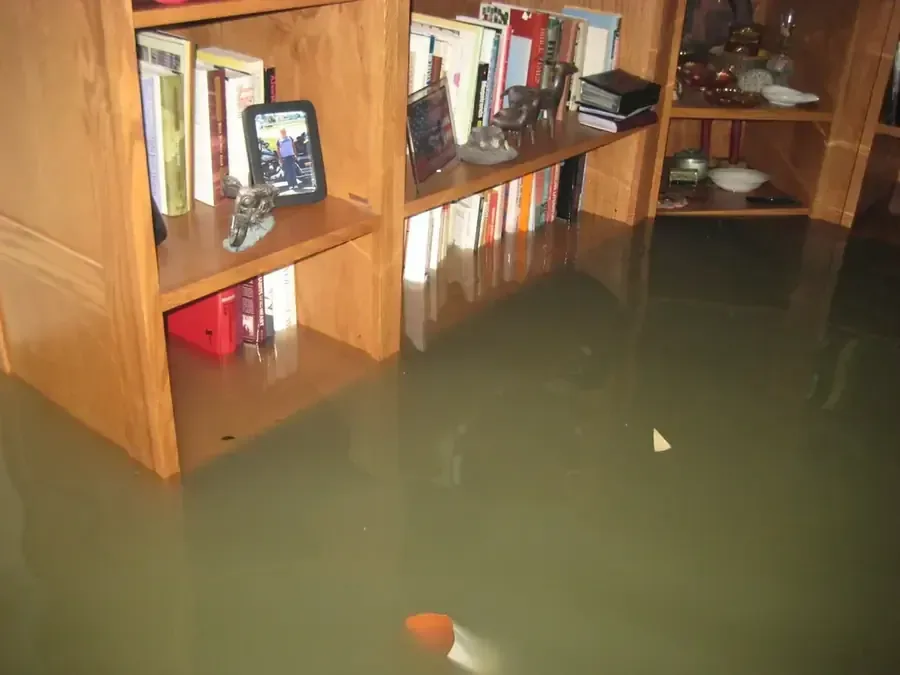
Storm and Flood Cleanup at a glance
First steps for storm and flood cleanup in Compton
Wait for safe access
Do not enter moving water, unstable areas, or spaces with possible electrical contact. Wait until outdoor flow and electrical conditions permit entry.
Record distinct entry points
Photograph doors, windows, roof stains, wall marks, and exterior debris without assigning an unsupported cause.
Separate tracked material
Keep wet shoes, tools, and contents from crossing into unaffected rooms.
Describe the highest reach
Report every room, wall, floor, and content area touched by outside water.
FOX 11 reported major flooding that shut Compton roadways. After outside water enters a building, water marks and debris help locate its route across the floor. For a property near Downtown Compton, technicians inspect the actual entry point, water marks, debris, and connected rooms before choosing recovery or cleaning methods.
Locate where outside water entered
Water at a door threshold can behave differently from rain entering a roof opening. Exterior water may carry soil or other contaminants, while a roof path can wet insulation and ceiling cavities before appearing indoors. Source observations keep those routes separate.
Compton Creek receives runoff from local storm drains. At a Richland Farms property, inspection checks grading, low openings, and water marks along the foundation. In Sunny Cove, photographs of wet thresholds and connected rooms help trace the route from outside to inside.
What does storm and flood cleanup cost in Compton, CA?
A contained storm or flood cleanup commonly costs $1,400 to $7,800. Water condition, debris, room count, concealed entry, material removal, and drying access shape the amount.
Focused rain entry
$1,400 to $2,800- Limited indoor reach
- Accessible water
- Small cleaning zone
Several connected rooms
$2,800 to $7,800- Multiple assemblies
- Cavity investigation
- Ongoing monitoring
Extensive outside water
$7,800 to $15,600- Contamination controls
- Broad material removal
- Complex access plan
Ranges are typical, not a quote: category of water, square footage, material class and how fast drying started move the number most. Run the water damage cost calculator for a closer range.
The storm and flood cleanup process in Compton, step by step
- 1
Identify each route
Separate door, window, roof, drain, and plumbing evidence before defining the loss.
- 2
Classify material contact
Use water condition and affected surfaces to set cleaning and removal needs.
- 3
Extract and expose
Recover liquid, remove debris, and open only assemblies that require access.
- 4
Track retained moisture
Measure framing, walls, flooring, and cavities until the slowest area reaches its goal.
Remove water and check concealed edges
Accessible liquid is extracted after safe entry is established. Floor seams, wall bases, cabinets, insulation, and lower rooms are checked for migration. Porous material decisions account for contamination, stability, and whether cleaning can reach the full assembly.
- Stay away from moving outdoor water
- Photograph entry points when conditions are safe
- Keep exterior debris outside clean rooms
- Mark the highest visible water line
- Report roof, door, and window observations separately
Near Gateway Town Center, a business may need phased work zones around unaffected operations. Crews mark the contaminated area, protect clean stock, and keep equipment routes separate from customer access while affected materials are cleaned and dried.
Trace water through rooms before drying
Air movement and dehumidification address retained moisture after extraction and cleaning decisions. Roof leak cleanup covers overhead rain entry, while the Local restoration hub connects storm response with extraction and structural drying.
Photograph high water marks before cleanup
Marks on walls, doors, stored items, and exterior openings help reconstruct the peak spread after water recedes. Photographs are paired with moisture readings because a visible mark does not show which materials remain wet.
As debris leaves the work zone, underlying surfaces are inspected again. Cleaning, removal, and drying records remain separated so the final file explains how each storm related condition was handled.
Storm and flood cleanup across Compton and nearby towns
Storm cleanup covers Downtown Compton, Richland Farms, Sunny Cove, and the Gateway area. Crews trace wet thresholds, remove debris, and check concealed moisture. The local services page also covers roof leaks and sewage cleanup.
The same service nearby: storm and flood cleanup in Lawndale, Gardena, Torrance.
Related water damage services in Compton
Storm and Flood Cleanup questions in Compton, CA
Still dealing with storm and flood cleanup?
Share the storm timing, suspected entry points, highest water marks, and every affected room.
What should be checked after outdoor floodwater enters?
Inspection starts at the entry point and follows water marks, sediment, and damp materials into connected rooms. The crew checks contamination, electrical hazards, and trapped moisture before choosing extraction and cleaning methods.
Is rainwater always clean?
No. Water can collect soil, debris, and contaminants before or after entering. Contact history informs cleaning and material decisions. Material contact and the traveled route are evaluated before classification.
How are wall cavities checked?
Visible marks, base readings, connected finishes, and focused access help determine whether water moved behind the surface. Focused access can confirm insulation or framing conditions behind the finish.
Can wet drywall remain?
Condition, contamination, strength, insulation, access, and measured drying response determine whether it stays or is removed. Stability and cleanability are reassessed after open water is recovered.
What if water entered through the roof?
The overhead path is inspected separately from surface flooding, including insulation, ceiling finishes, walls, and rooms below. Indoor and exterior routes are documented as separate parts of the loss.
Which photos and readings document the finished work?
Final photographs and material readings document that cleaned structural assemblies reached appropriate comparisons after water recovery. The closeout names the comparison points used for each retained material.
Trace outside water from the entry point
The response separates outside water, roof paths, and plumbing conditions before extraction, cleaning, access, and drying decisions.
Lawndale Water Damage Restoration · Lawndale, CA