Storm and Flood Cleanup in Torrance, CA
Local rainfall can enter through openings or low points, but each response must follow the actual building path without assigning an unsupported flood history.
(888) 563-9619Plan indoor storm cleanup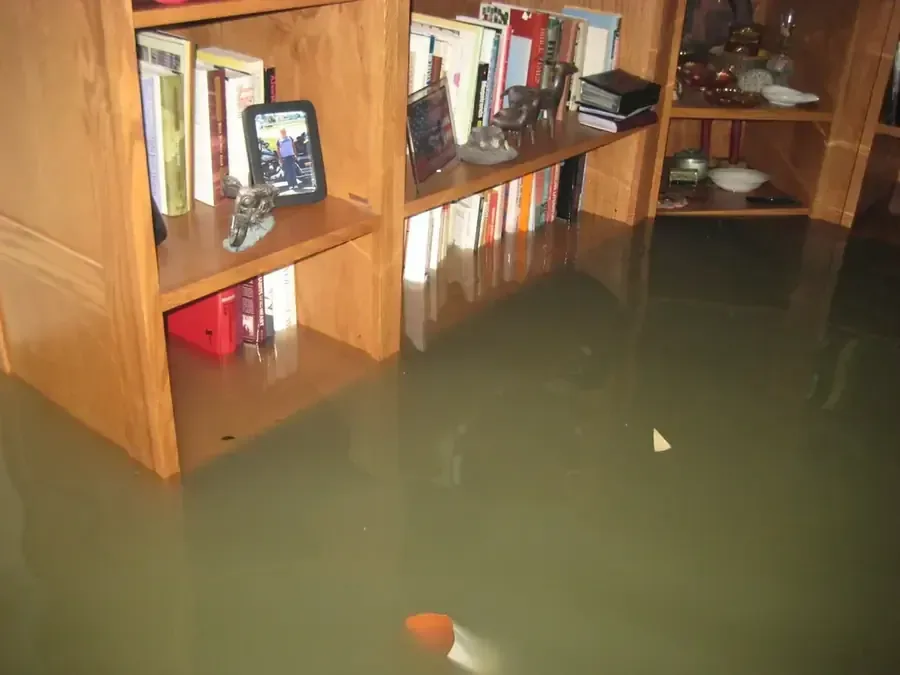
Storm and Flood Cleanup at a glance
First steps for storm and flood cleanup in Torrance
Protect people before property
Avoid standing water near electricity, loose exterior materials, sagging ceilings, and any area where weather still makes access unsafe.
Capture the water path
Photograph exterior clues from a safe location, then record indoor drips, stains, floor edges, contents, and lower affected rooms.
Limit additional entry
Use safe temporary protection only when conditions permit, and arrange qualified repair for the opening that allowed water inside.
Preserve material evidence
Do not remove ceiling, wall, insulation, or flooring before the affected boundary and water condition have been documented.
Torrance averages about 12 inches of rain per year. After rain enters a building, inspection follows wet thresholds, debris, and stains into affected rooms. When water appears indoors, the useful question is where it crossed the building. Around Torrance Beach, wind direction and visible opening evidence can help distinguish roof or wall entry from water arriving at a lower threshold.
Document the opening before the stain spreads
Photographs of roof edges from a safe position, windows, doors, vents, wall penetrations, and indoor water marks preserve the first pattern. Technicians trace the path through insulation, ceiling material, wall cavities, and flooring. Source protection is coordinated before drying equipment is expected to hold progress.
In Hollywood Riviera, an upper stain may descend through a partition and appear away from the exterior opening. In Seaside Ranchos, water at a floor edge still requires confirmation of the actual route. Photographs of the entry opening and readings along each wet surface keep roof leakage, doorway flooding, and trapped floor moisture separate in the work plan.
What does storm and flood cleanup cost in Torrance, CA?
A contained storm water loss often costs $1,400 to $7,800. Entry location, outdoor contact, affected layers, source protection, material removal, and the drying period influence final cost.
Contained single room loss
$1,400 to $2,800- One visible entry area
- Limited material exposure
- Focused extraction setup
Multi room drying
$2,800 to $7,800- Water across connected rooms
- Ceiling and wall testing
- Broader equipment plan
Complex removal and drying
$7,800 to $15,600- Outdoor water contamination
- Multiple concealed layers
- Extensive controlled removal
Ranges are typical, not a quote: category of water, square footage, material class and how fast drying started move the number most. Run the water damage cost calculator for a closer range.
The storm and flood cleanup process in Torrance, step by step
- 1
Confirm entry and contact
Connect exterior observations with indoor marks and determine whether water contacted outdoor surfaces before entering.
- 2
Recover water and residue
Extract standing liquid, remove debris, and clean exposed durable materials according to the actual water condition.
- 3
Open only supported areas
Address unstable, contaminated, or drying resistant materials where inspection and readings justify controlled access.
- 4
Track weather affected assemblies
Monitor consistent points in ceilings, walls, floors, and framing until comparison readings support completion.
Check what the water touched outdoors
Rain that enters directly through an opening differs from water that collects outdoors and crosses soil, paving, or debris before entering. The observed contact path shapes cleaning and porous material decisions. Standing liquid is extracted, residue is removed, and affected finishes are evaluated for stability and access.
- Stay clear of unstable ceilings and electrical hazards
- Photograph entry clues and interior water marks
- Separate direct rain from outdoor surface water
- Map wet materials above, beside, and below the opening
- Coordinate temporary source protection before sustained drying
Near Walteria, wet insulation may block airflow behind an apparently minor ceiling stain. Elsewhere, a door threshold may direct water beneath flooring. Openings and removal are limited to documented contamination, damage, and drying access needs rather than chosen from the neighborhood.
Measure wet materials after the weather passes
Daily readings show whether roof decking, framing, wallboard, subfloor, or finish materials are releasing moisture. Equipment responds to the slowest point. The roof leak service focuses on overhead entry, while the Torrance restoration hub links cleanup for other sources.
Storm and flood cleanup across Torrance and nearby towns
Storm cleanup extends through Torrance Beach, Hollywood Riviera, Seaside Ranchos, Walteria, and the listed ZIP areas. The observed entry and contact path controls all restoration work. See the town restoration hub.
The same service nearby: storm and flood cleanup in Lawndale, Redondo Beach, Hermosa Beach.
Related water damage services in Torrance
Storm and Flood Cleanup questions in Torrance, CA
Still dealing with storm and flood cleanup?
Describe the weather opening and every indoor mark connected with it.
Does local rainfall prove flood risk?
No. The annual average gives weather context, but it does not assign a flood zone, entry route, or prior loss to any specific parcel.
How is rainwater classified?
Technicians consider where water originated, whether it contacted outdoor ground or debris, how long it remained, and which materials it reached indoors.
Can drying begin before roof repair?
Temporary source protection may allow progress when conditions are safe. Continued entry can defeat drying, so permanent repair coordination remains important.
Why check rooms below a stain?
Water can follow framing, fasteners, insulation, and wall cavities before appearing elsewhere. Lower and adjoining finishes help reveal the complete route.
Will wet insulation be removed?
The decision depends on contamination, saturation, condition, access, and whether the material can dry effectively in place. Readings support the choice.
Which cleanup records should the owner keep?
Entry observations, water condition, affected room maps, removed materials, cleaning actions, equipment changes, and final moisture results belong in the restoration record.
Should wet contents be moved immediately?
Dry belongings can be protected when handling is safe. Wet items should first be photographed and classified by outdoor contact, material type, condition, and practical cleaning options.
Rainwater has reached the rooms inside?
A site assessment separates direct entry from outdoor surface water, maps affected assemblies, and plans measurable drying.
Lawndale Water Damage Restoration · Lawndale, CA