Water Extraction in Redondo Beach, CA
Standing water is recovered according to depth, source, surface, and spread, then the remaining moisture is mapped through connected Redondo Beach building materials.
(888) 563-9619Arrange local water extraction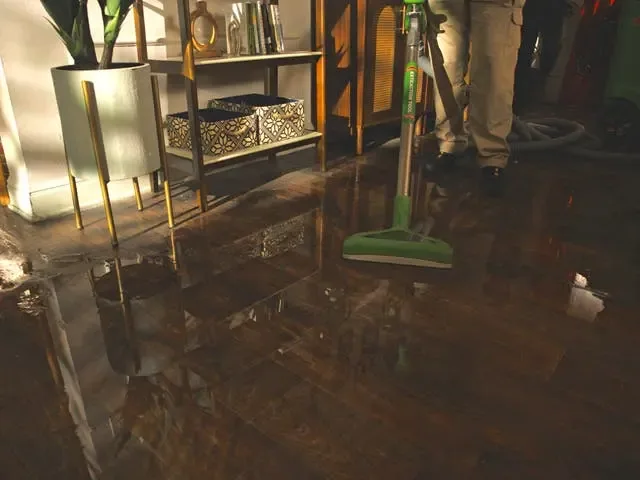
Water Extraction and Removal at a glance
First steps for water extraction and removal in Redondo Beach
Keep away from hazards
Do not enter standing water near electrical equipment or walk below swollen and unstable ceiling finishes.
Stop only what is safe
Close an accessible fixture or building control only when the approach is dry and clearly safe.
Preserve the first view
Photograph the apparent source, wet outline, contents, transitions, and rooms below before extraction begins.
Clear a protected route
Move dry lightweight items when safe, but leave affected materials available for initial documentation and testing.
Tropical Storm Hilary brought 2.47 inches of rain to Redondo Beach over three days in August 2023. That documented event shows that rain belongs in the local response conversation, but it does not identify the source at a current property. A technician first distinguishes outdoor entry from a supply release, fixture overflow, appliance discharge, or sewage before choosing tools.
Follow water across room boundaries
A visible pool is only the starting point. Liquid can move under a door, along a cabinet base, across a flooring transition, or into the room below. Pumps may handle deeper accumulation, while weighted or detail extraction tools address carpet, hard surfaces, seams, and perimeter zones. Work progresses from the accessible concentration toward damp margins.
In North Redondo Beach, the map might include several connected rooms. Near Riviera Village, the same service could involve a compact commercial interior. Location does not determine construction or loss severity. Each material receives its own readings, and a dry comparison point helps define where the affected boundary ends.
What does water extraction and removal cost in Redondo Beach, CA?
Contained residential extraction commonly costs $900 to $4,500. Depth, water condition, connected rooms, fixed contents, concealed migration, and required access determine the final project scope.
Focused water recovery
$900 to $1,800- One principal room
- Accessible liquid
- Limited edge testing
Several connected areas
$1,800 to $4,500- Multiple surfaces
- Cabinet or cavity checks
- Ongoing moisture records
Complex extraction project
$4,500 to $9,000- Controlled work zones
- Selective material access
- Extended equipment use
Ranges are typical, not a quote: category of water, square footage, material class and how fast drying started move the number most. Run the water damage cost calculator for a closer range.
The water extraction and removal process in Redondo Beach, step by step
- 1
Assess the release
Use source history, appearance, and material contact to establish the initial cleaning and protection needs.
- 2
Map the liquid edge
Test outward from visible water across seams, transitions, wall bases, and adjoining rooms.
- 3
Recover by surface
Match pumping, weighted extraction, or detail tools to water depth, finish, access, and contents.
- 4
Transfer to drying
Record the point when recoverable liquid is gone and retained material moisture becomes the focus.
Photograph the damage and extract standing water
Photographs taken before contents move preserve water marks, source relationships, and the original spread. Dry objects can be shifted into a protected area when handling is safe. Wet contents remain available long enough for condition notes and cleaning decisions. Traffic routes stay separate so shoes and carts do not transfer moisture or contamination.
- Confirm source control without crossing an electrical hazard
- Record floor edges, wall bases, cabinets, and lower rooms
- Select recovery tools for depth and material
- Recheck seams after visible water is gone
- Set a drying boundary from direct readings
King Harbor and the pier area are useful orientation points, but the actual water route inside a nearby property remains a measurement question.
Recheck after the last extraction pass
Liquid recovery ends when the chosen tool no longer pulls meaningful water from the accessible surface or assembly. That is not the same as a dry building. Moisture held in drywall, subfloor, wood, insulation, or framing moves more slowly. The structural drying service covers the equipment and monitoring phase, while the Redondo Beach service hub lists help for specific sources.
Water extraction and removal across Redondo Beach and nearby towns
Extraction service covers North, Central, and South Redondo Beach, including properties around King Harbor and Riviera Village. The actual source and wet boundary control every scope. More options appear on the town restoration page.
The same service nearby: water extraction and removal in Lawndale, Hermosa Beach, Torrance.
Water damage restoration in Redondo Beach · every town covered
Related water damage services in Redondo Beach
Water Extraction and Removal questions in Redondo Beach, CA
Still dealing with water extraction and removal?
Share the apparent source, water depth, rooms reached, and any electrical or ceiling concern.
Why not start with air movers?
Available water should be recovered first because evaporation would add that liquid to the indoor moisture load and make control less efficient.
How is the boundary found?
Testing moves outward from visible water through each connected material until readings align with a suitable unaffected comparison area.
Does every room use the same extraction tool?
No. Depth, carpet construction, hard flooring, fixed cabinets, edges, and safe access determine the tool and technique in each location.
Can furniture be moved immediately?
Dry movable items can enter a protected area when handling is safe. Wet pieces should first receive photographs and condition notes.
What happens after visible water is gone?
The team checks seams, perimeters, lower spaces, and porous materials, then establishes airflow and dehumidification for retained moisture.
Can rainwater be treated like a supply leak?
Not automatically. The entry route and contacts affect classification, cleaning, protective measures, and whether porous materials can remain.
What proves extraction is complete?
The selected tool stops recovering meaningful liquid, the visible area is rechecked, and a documented moisture map defines the structural drying phase.
Why are dry reference readings needed?
They show how comparable unaffected material behaves at the property, giving the wet area a more useful completion target than appearance alone.
Remove the puddle and check the wet edges
The response records visible spread, removes accessible liquid, checks connected materials, and defines the remaining drying area.
Lawndale Water Damage Restoration · Lawndale, CA