Water Extraction and Removal in Hermosa Beach, CA
Restoration for standing water in Hermosa Beach opens via source contain, protection screening, pumping, and a drying strategy verified by finish data. Surfaces get mapped.
(888) 563-9619Request standing water removal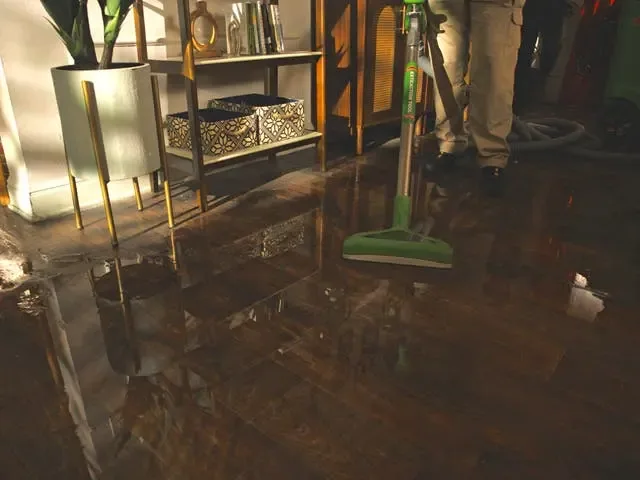
Water Extraction and Removal at a glance
First steps for water extraction and removal in Hermosa Beach
Control only what is safely reachable
Use a fixture or building shutoff only when the route avoids wet electrical equipment, unstable finishes, and contaminated water.
Keep the wet zone contained
Mark a clean boundary so people, pets, carts, and absorbent belongings do not carry water into unaffected rooms.
Photograph connected surfaces
Capture the source, floor edges, wall bases, cabinets, doorways, and room relationships before extraction changes the visible outline.
Leave damp finishes available
Do not lift flooring or remove trim before measurements show where access can improve recovery or later drying.
The 2020 census counted 10,038 housing units in Hermosa Beach, including both renter occupied and owner occupied homes. That variety makes the building, rather than a general housing assumption, the starting point for extraction. Near Pier Avenue, technicians identify the release and trace visible water into every connected finish.
Remove standing water before it spreads farther
Deep collection is pumped, while surface tools draw water from carpet, hard flooring, and accessible seams. Work proceeds toward damp margins instead of pushing through dry rooms. Each transition receives its own reading because tile, wood, adhesive, pad, and subfloor can hold different amounts of moisture.
Properties along The Strand may have compact room connections, but no layout is assumed from location. Photographs show doors, cabinets, wall bases, and contents before movement. A safe inspection also checks the room below an overhead release and the opposite side of any partition reached by water.
What does water extraction and removal cost in Hermosa Beach, CA?
Typical water extraction and removal costs $900 to $4,500 for a contained residential problem. Completion price varies alongside water category, finish situation, concealed path, and controlled removal.
Contained single-room loss
$900 to $1,800- Cleanse or limited water
- One main chamber
- Early recovery
Multi-room drying
$1,800 to $4,500- Several wet assemblies
- Cavity checks
- Daily moisture logs
Complex removal and drying
$4,500 to $9,000- Contamination or hidden reach
- Selective removal
- Longer apparatus run
Ranges are typical, not a quote: category of water, square footage, material class and how fast drying started move the number most. Run the water damage cost calculator for a closer range.
The water extraction and removal process in Hermosa Beach, step by step
- 1
Inspect
Trace standing water, document the source, and map every involved component before system placement.
- 2
Extract
Recover remaining water using tools suited to finish, later check concealed edges. Contain the restoration zone where needed.
- 3
Dry
Balance air movement and dehumidification against the measured evaporation load in respective saturated chamber.
- 4
Verify
Contrast end component measurements through a dry reference and close the documentation after the goal is reached.
Check the rooms after the final extraction pass
The crew repeats tool passes until recoverable water no longer transfers from the material. That point is recorded separately from dryness. Retained moisture remains in pores, fibers, cavities, and floor layers, so air movement and dehumidification begin with a smaller and better defined load.
- Mark the source and each affected room
- Protect dry circulation from hoses and footwear
- Extract perimeter zones and material transitions
- Check cabinets and wall openings for concealed travel
- Record the last area yielding liquid water
Find the source of water inside the building
The rainy season generally runs from late October through late March, and ocean water near flowing storm drains should be avoided after significant rainfall. Near Hermosa Beach Pier, an indoor loss is still classified from its actual source, contact path, and material condition.
North Hermosa work closes the extraction phase with a room sketch, tool notes, photographs, and readings from the wet edge. The structural drying page explains the next phase, while the town service hub connects help for plumbing, appliances, storms, and sewage. A separate notation identifies dry circulation so later crews can distinguish protected access from the original water path.
Water extraction and removal across Hermosa Beach and nearby towns
Water extraction serves Pier Avenue, The Strand, Hermosa Beach Pier, and North Hermosa. Each visit follows the source and material boundary inside the property. The local hub lists connected water and sewage services.
The same service nearby: water extraction and removal in Lawndale, Redondo Beach, Torrance.
Water damage restoration in Hermosa Beach · every town covered
Related water damage services in Hermosa Beach
Water Extraction and Removal questions in Hermosa Beach, CA
Still dealing with water extraction and removal?
State where water began, which rooms it crossed, and whether an electrical, ceiling, sewage, or access concern remains.
Why is liquid extraction separate from drying?
Extraction physically recovers available water. Drying equipment then handles moisture retained within flooring, walls, cabinets, framing, and other assemblies after that liquid load is reduced. Each tested transition remains labeled in the room sketch.
How is the full wet area located?
Testing begins in the visibly affected area and moves outward by material. Readings from comparable unaffected sections help mark where the elevated pattern ends. That boundary stays visible in the final diagram.
Can contents remain in place?
Dry items may move through a protected route when handling is safe. Wet contents remain documented long enough for photographs, condition notes, and cleaning decisions.
What happens beneath cabinets?
Toe spaces, end panels, floor seams, and adjacent walls are tested where accessible. Persistent readings may support limited access for extraction or directed airflow.
Does rain change the extraction method?
Outside water raises different contamination questions from a clean supply release. The actual entry path and exposure determine containment, cleaning, removal, and extraction choices.
What records close the extraction phase?
The file identifies source condition, affected rooms, tools used, material boundaries, photographs, access decisions, and the point when recoverable liquid ended and drying continued.
Water collecting near a doorway or wall?
Technicians recover water, check transitions, preserve evidence, and define the remaining moisture load by direct readings.
Lawndale Water Damage Restoration · Lawndale, CA