Commercial Water Damage in Torrance, CA
Business cleanup divides the property into safe, affected, and support zones while source conditions, equipment, contents, access, and operating priorities are clearly documented together.
(888) 563-9619Plan cleanup around business access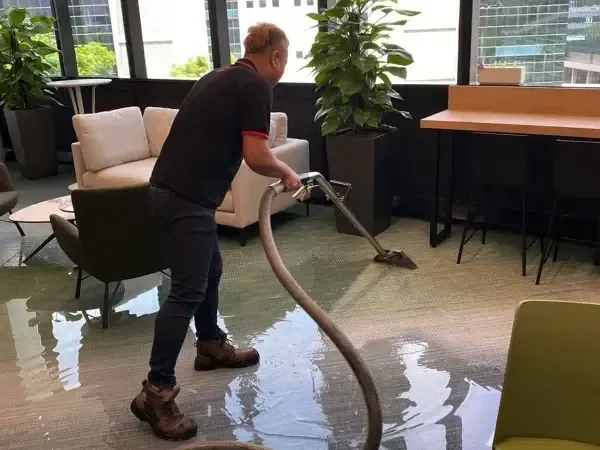
Commercial Water Damage at a glance
First steps for commercial water damage in Torrance
Name the site decision maker
Identify the person authorized to approve access, operating changes, contents movement, building openings, and communication with occupants or tenants.
Restrict unsafe work areas
Keep staff and visitors away from standing water, sewage, wet electrical equipment, unstable ceilings, and active extraction routes.
Preserve operating evidence
Photograph the source, affected departments, inventory, equipment, finishes, and water marks before cleanup changes the business environment.
List essential access needs
Share critical entrances, utilities, secure rooms, delivery paths, and operating periods so zones can be planned without compromising safety.
Torrance was planned with separate residential, commercial, and industrial subdistricts, giving local response teams a wide range of property uses to consider. Old Torrance commercial blocks may prioritize customer access, while eastern industrial sections may prioritize equipment and production areas. In every case, the actual loss conditions define the plan.
Separate wet rooms and safe access routes
The initial walk identifies the water source, electrical and slip hazards, contamination, occupants, inventory, machinery, and routes needed for normal activity. Safe, affected, and support areas are marked so people and restoration equipment do not cross unpredictably. A site contact confirms who can approve access changes.
Near Charles H. Wilson Park, a school or community use property can introduce scheduling and occupant separation concerns. Classrooms, offices, and shared halls need a clear route around wet floors and drying equipment. A building contact can identify occupied rooms, approve temporary closures, and arrange access for repeat moisture checks while the work progresses.
What does commercial water damage cost in Torrance, CA?
Contained commercial cleanup often costs $2,200 to $12,000. Floor area, operations, contamination, contents, specialized equipment, access windows, affected systems, and drying zones influence total cost.
Contained single room loss
$2,200 to $4,400- Focused business area
- Accessible water source
- Limited contents handling
Multi room drying
$4,400 to $12,000- Several operating zones
- Inventory and equipment protection
- Phased moisture monitoring
Complex removal and drying
$12,000 to $24,000- Extensive controlled areas
- Specialized access coordination
- Longer operational recovery
Ranges are typical, not a quote: category of water, square footage, material class and how fast drying started move the number most. Run the water damage cost calculator for a closer range.
The commercial water damage process in Torrance, step by step
- 1
Stabilize people and utilities
Identify hazards, control the source, establish authority, and separate occupied routes from affected work and equipment zones.
- 2
Document business exposure
Record rooms, inventory, machinery, records, finishes, and operations that may be affected by water or access changes.
- 3
Extract and dry by phase
Prioritize liquid recovery, then arrange containment, airflow, dehumidification, and access around approved operational sequences.
- 4
Issue measurable status updates
Report consistent material readings, completed areas, blocked locations, equipment changes, and supported final conditions to stakeholders.
Schedule extraction and drying around the building
Standing water is removed from accessible zones first. Contents may be protected in place, relocated, or documented for separate evaluation. Wall systems, flooring, ceilings, cabinets, and structural materials are mapped individually, allowing sections to progress without treating the entire facility as one uniform chamber.
- Identify an authorized property contact
- Separate occupied routes from affected work areas
- Document inventory and equipment near the release
- Map utilities and connected building assemblies
- Issue progress updates from consistent readings
A business in Southeast Torrance may need one entrance kept separate from drying equipment. An industrial room may require coordination before machinery can move. These operating needs influence sequencing but never override sewage controls, electrical safety, unstable material, or the verified wet boundary.
Give occupants clear progress reports
Daily notes identify completed extraction, inaccessible areas, equipment placement, material trends, and decisions awaiting authorization. Final records distinguish restoration observations from policy interpretation. The structural drying service explains moisture management, and the local business restoration hub connects source specific options.
Secure rooms and sensitive records remain within the property contact's authorization process throughout cleanup.
Commercial water damage across Torrance and nearby towns
Commercial response covers Old Torrance, Southwood, eastern industrial sections, and all listed ZIP areas. Property use and measured conditions shape each restoration phase. Explore related service on the town restoration hub.
The same service nearby: commercial water damage in Lawndale, Redondo Beach, Hermosa Beach.
Related water damage services in Torrance
Commercial Water Damage questions in Torrance, CA
Still dealing with commercial water damage?
Share the affected departments, source, operating priorities, and authorized site contact.
Can part of the business remain open?
Possibly. Safe separation, water condition, utilities, access, noise, contamination, and operating needs determine whether unaffected zones can continue functioning.
Who approves changes to the building?
The designated property contact should identify authorization roles for contents movement, finish access, utility shutdowns, operating changes, and insurer communication.
How are contents handled?
Items are documented by location and condition, then protected, relocated, cleaned, or separated according to exposure, business priority, and approved handling procedures.
Can equipment work around operating hours?
Scheduling can support operations when conditions allow, but sewage controls, electrical hazards, unstable materials, and urgent extraction needs take priority.
What appears in daily reporting?
Useful updates include completed extraction, active zones, equipment positions, material trends, access constraints, pending decisions, and areas approaching their drying goals.
Who decides insurance coverage?
The insurer interprets the commercial policy. Restoration records describe source conditions, affected assets, mitigation work, moisture data, and the physical state at completion.
How are secure areas handled?
The authorized property contact defines entry, escort, documentation, and contents rules before work proceeds. Moisture assessment still covers connected assemblies, but access respects the approved security procedure.
Keep clean access while wet work areas recover
Technicians coordinate extraction, contents, utilities, access, and drying phases while reporting material progress to designated stakeholders.
Lawndale Water Damage Restoration · Lawndale, CA