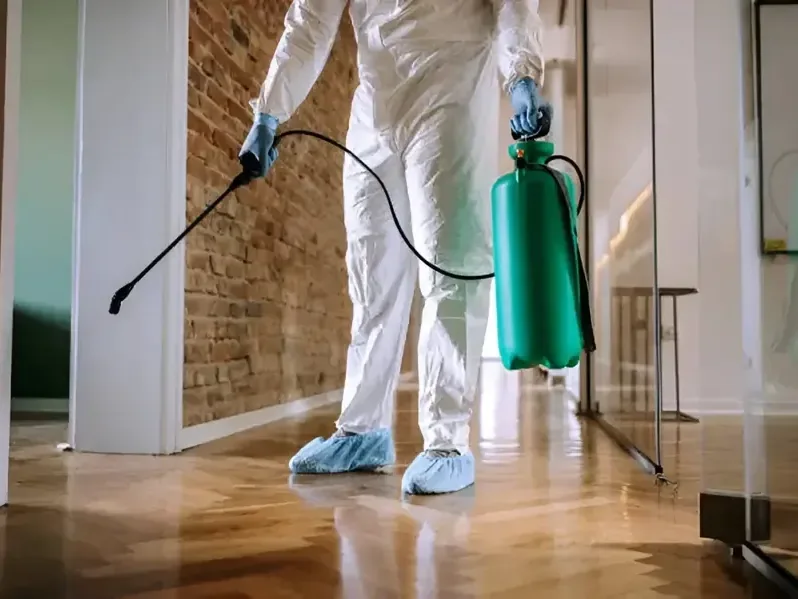
Compton Creek has received sewage from blocked mains, but cleanup inside a building starts at the overflowing drain or fixture. The first inspection follows the water into rooms and checks where shoes, tools, or belongings may have carried residue beyond the puddle.
Key takeaways
- Compton Creek receives water from local storm drains, and documented sewer main overflows have reached that system.
- A building backup needs a drain inspection, a record of affected rooms, and contact with the property owner about sewer responsibility.
- Indoor cleanup begins by stopping use of related fixtures and keeping occupants outside the affected route.
- Extraction, porous material removal, structural cleaning, and drying occur in that order.
- Completion documents both the cleaned material condition and removal of containment.
The creek record shows why boundaries matter
Compton Creek receives water from local storm drains. On October 8, 2013, a blocked sewer main overflow sent about 150 gallons into a storm drain leading to the creek.
A separate main blockage released about 500 gallons to the same water feature.
These spills carried sewage into the drainage system, making separation of contaminated water from clean work areas a priority during cleanup. They do not identify conditions inside a present property, establish who owns a private sewer component, or prove that an indoor backup reached the creek.
The local sewage cleanup service keeps those facts in separate columns. Public information belongs in the event context.
Building findings come from the drain or fixture, observed discharge, affected surfaces, foot traffic, contents movement, and direct measurements.
- Photograph the emergence point before cleanup changes it.
- Stop use of fixtures that may add to the discharge.
- Keep people and pets outside the affected room.
- Record every doorway crossed by water or tracked residue.
- Leave household fans off until cleaning is complete.
The contamination map extends beyond the pool
Visible water shows only part of the boundary. Shoes, carts, towels, tools, and moved belongings can carry residue beyond the wet edge.
Cleanup planning includes the routes used by people and equipment as well as the depth of the water.
A protected entrance allows workers to enter without turning the hallway into a work surface. A separate debris path allows removed absorbent material to leave without passing through occupied rooms.
Barriers, floor protection, and tool handling all support the same objective.
Cleanup in Sunny Cove, Leland, Downtown Compton, and Richland Farms starts at the affected drain. Inspection then follows the backup through each room, including paths used by occupants before the water was noticed.
A room can also have more than one boundary at the same time. The liquid edge may stop at tile, while tracked residue reaches a hallway and moisture continues beneath a threshold.
Keeping those outlines separate prevents the visible pool from becoming the only basis for cleanup. It also shows why a small amount of water can require careful movement controls across a larger working area.
- Mark the visible water edge and the tracked edge separately.
- Identify contents that contacted the discharge.
- Protect the clean side of every doorway.
- Plan packaging before porous debris is moved.
- Keep clean tools away from the extraction and removal zone.
Plumbing source work and restoration have different endpoints
A plumbing professional evaluates the blocked fixture or drain and controls the cause. The Compton Water Department serves more than 80,000 people through about 14,500 service connections, yet those system figures do not settle the responsibility for a particular component.
Restoration personnel document the indoor emergence and material contact. Source control is a necessary milestone, but contaminated water, absorbent finish, and residue remain after the drain begins working again.
The toilet overflow page addresses fixture specific conditions. A bowl overflow, floor drain backup, and sewage entering through another opening may require related controls, but each begins with its own observed source.
Removal creates access for structural cleaning
Liquid extraction comes first where it can be performed safely. Absorbent material with direct sewage contact is evaluated for removal because cleaning must reach the full affected depth.
Carpet, pad, swollen composite material, insulation, and damaged wall finish may conceal residue against framing or subfloor.
Removal proceeds inward to outward through the protected route. The exposed structure is then cleaned at seams, penetrations, fasteners, and joints.
A surface that looks clear may still need attention where liquid collected behind trim or beneath an edge.
The city permit application lists drainage and vent piping work. That confirms a permit category, while the applicable repair decision belongs with the responsible trade and city process.
Indoor cleaning records should not make unsupported claims about permit needs or sewer ownership.
- Recover liquid before carrying debris through the room.
- Package absorbent waste inside the controlled boundary.
- Expose seams that cannot be cleaned from the surface.
- Record every removed layer and the material beneath it.
- Complete structural cleaning before drying airflow begins.
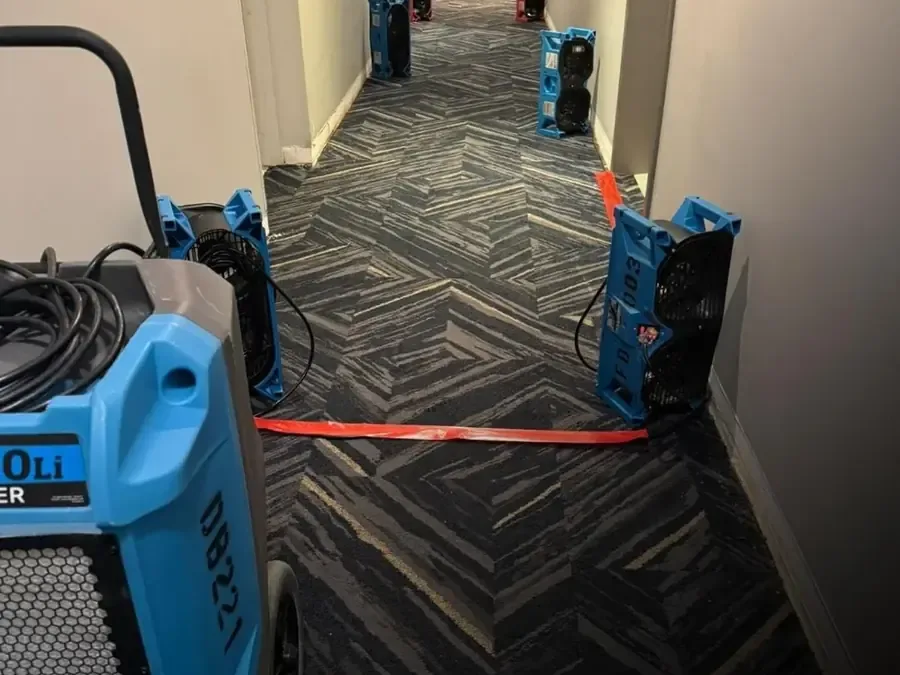
Drying begins after the area is clean
Strong air movement during initial contamination work can spread droplets and residue. Once extraction, removal, and cleaning establish a controlled environment, dehumidification and directed airflow address moisture retained in structure.
Framing, subfloor, wall bases, and other retained materials receive separate reference readings. Equipment positions respond to the actual damp pattern.
The outer boundary is rechecked because cleaning water and removal work can reveal moisture that was not accessible at the first inspection.
The Compton restoration hub links sewage response with extraction and structural drying. The project record should still state when the transition from contamination control to material drying occurred.
Final release has both cleanliness and moisture evidence
A room is not complete simply because it is dry, and it is not complete simply because visible residue is gone. The closeout needs evidence of removal and cleaning as well as material measurements.
Barrier removal is documented only after both conditions are satisfied.
Photographs show the original fixture or drain, the tracked route, controlled entrance, removed layers, exposed structure, final surfaces, and the room after containment comes down. The moisture log identifies comparison points and the last material to reach target.
The creek spill record helps explain why careful boundaries matter in the community. The indoor record protects accuracy by showing exactly what happened within the building and avoiding conclusions that public events cannot support.
Questions
Does a documented creek spill prove a building backup source?
No. A building inspection traces the backup from the affected drain or fixture through each contaminated room. The fixture, drain, plumbing findings, observed water, and room movement establish the indoor event.
Why include foot traffic in the contamination map?
Footwear and moved contents can carry residue outside the visible pool. The tracked edge can therefore extend beyond the liquid edge.
Can carpet remain after direct sewage contact?
Absorbent carpet and pad often cannot be cleaned through their full depth. Contact, condition, access, and the material beneath them determine removal.
When can air movers operate?
After liquid recovery, affected porous removal, and structural cleaning create a controlled area. Drying then addresses retained moisture without spreading untreated residue.
What completes containment removal?
The record shows the affected boundary cleaned, retained materials at suitable comparisons, work routes cleared, and final photographs captured before the barriers are taken down.